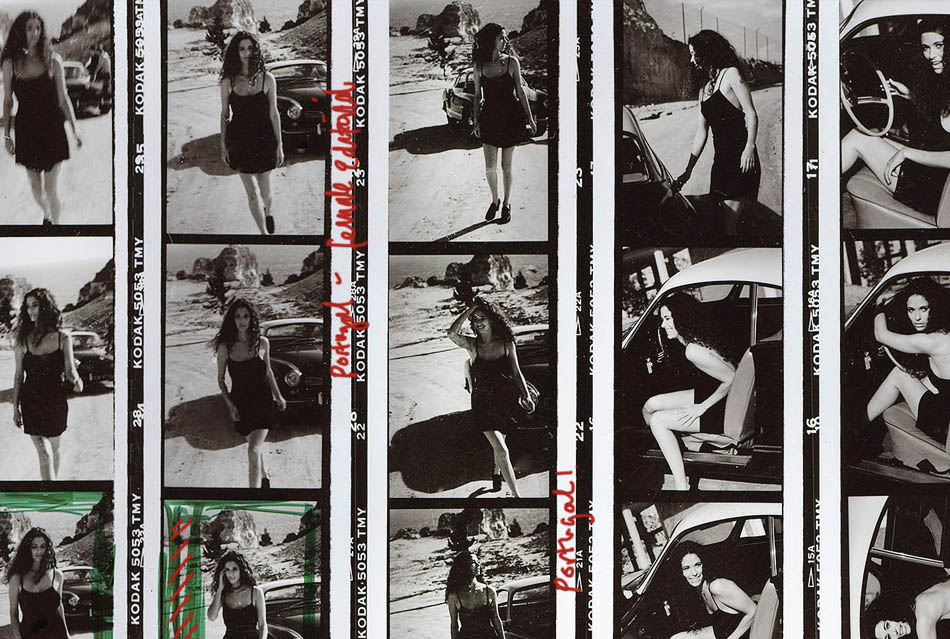
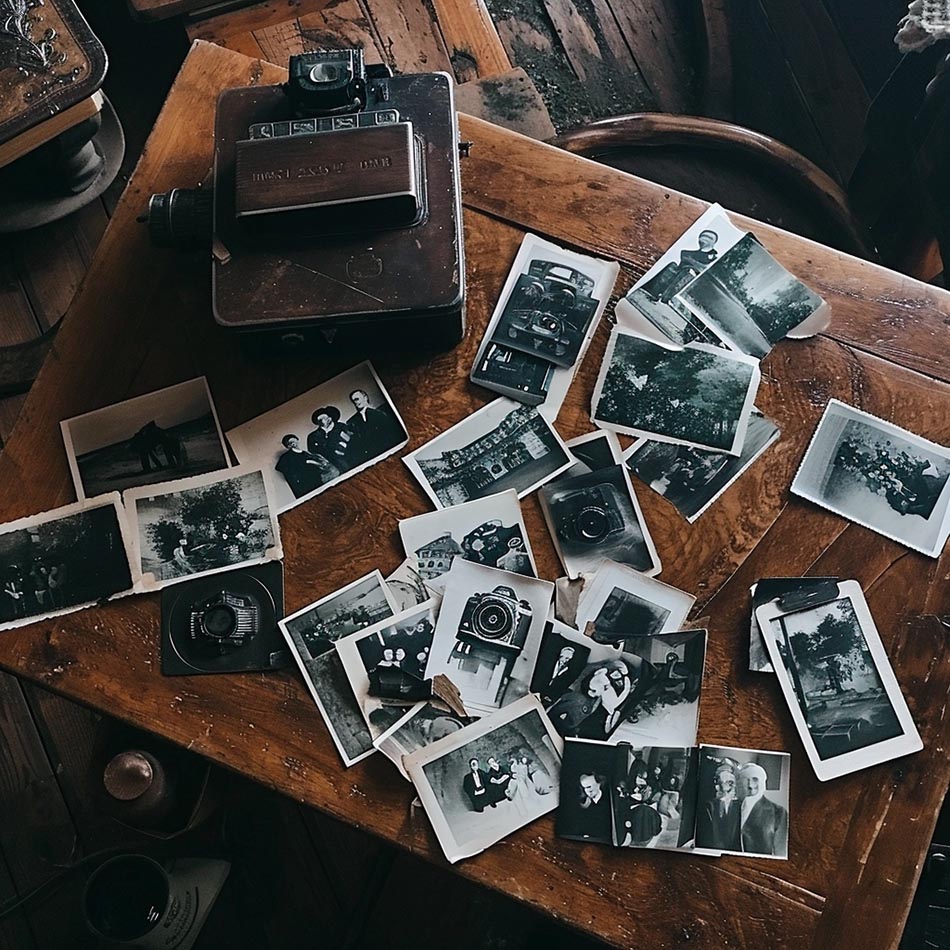
Welcome to Film & Analog — a curated space for lovers of grain, texture, and the unpredictable beauty of film. Whether you’re shooting 35mm, 120 medium format, or instant film, this category explores the craft and culture of analog photography.
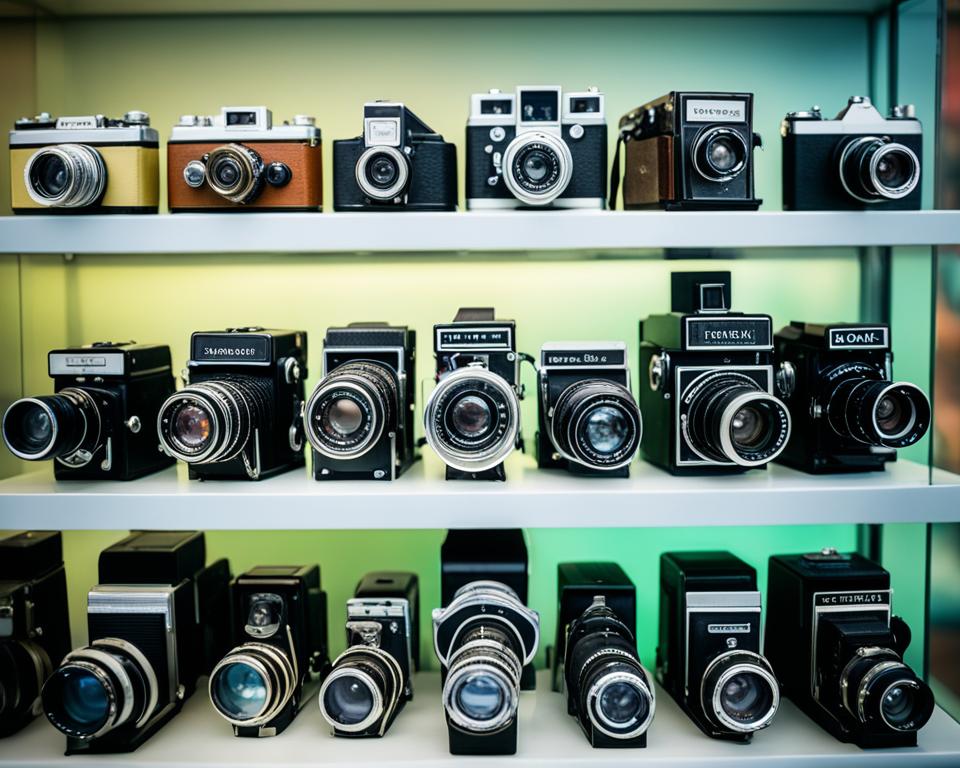
Dive into reviews of iconic film stocks like Kodak Portra, Ilford HP5, Fuji Pro 400H, and Cinestill 800T. Learn how to shoot on vintage film cameras, explore exposure techniques, metering without a screen, and understand the magic of manual development and scanning.
From DIY darkroom tips to hybrid workflows that merge analog and digital post-processing, this space brings you back to the essence of storytelling with light — one frame at a time.
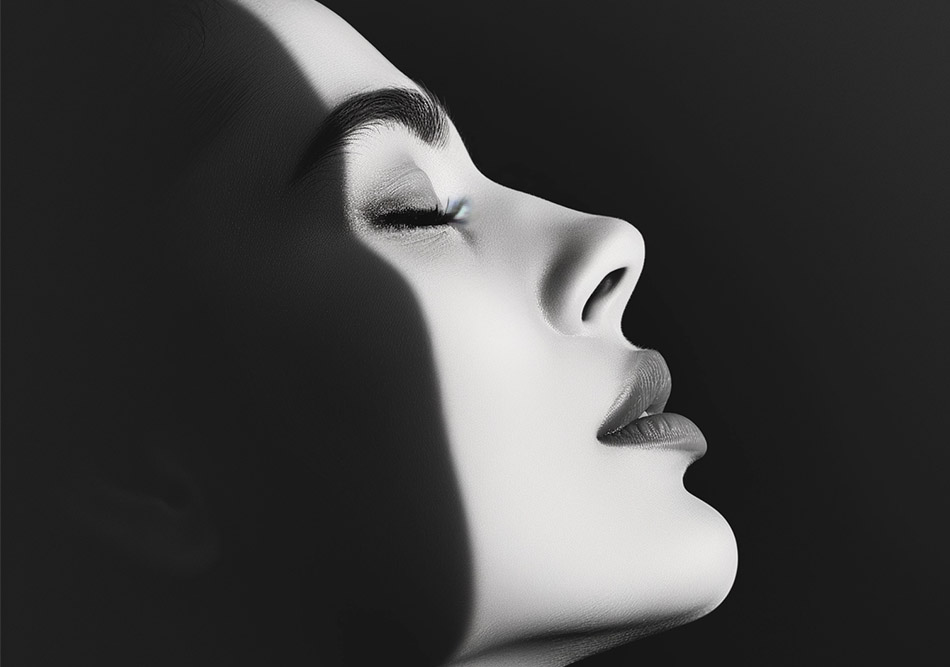
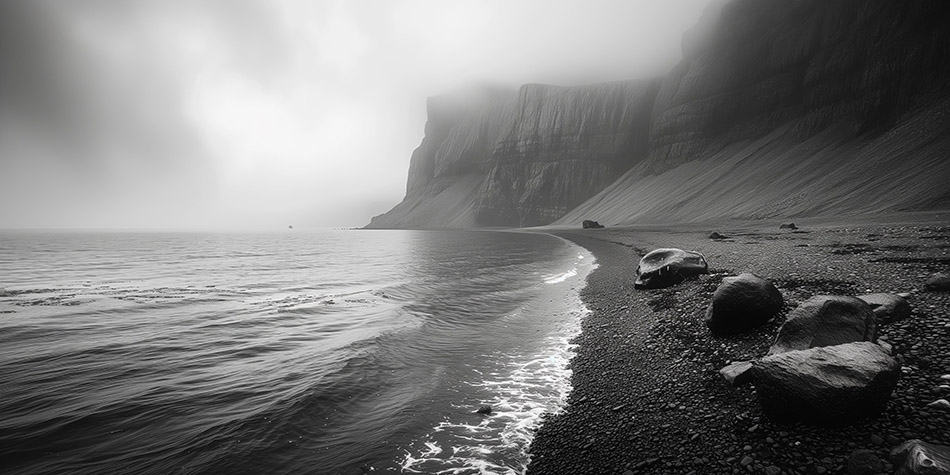
 Implementing the Zone System in Your Digital Workflow
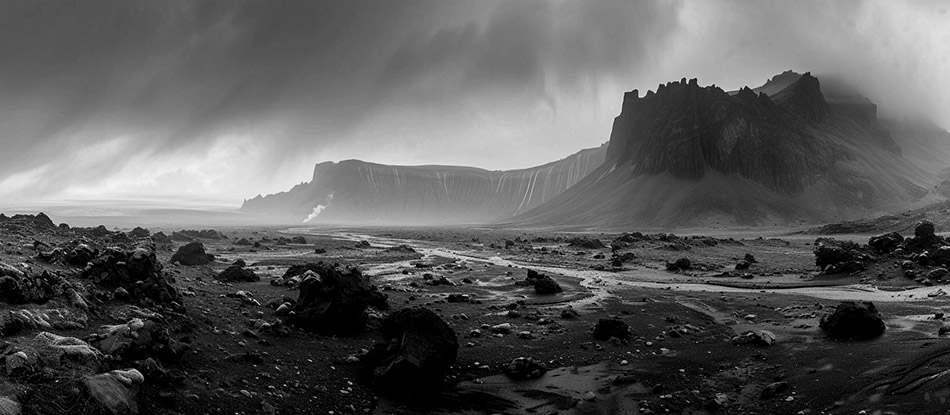 Utilising Dynamic Range to Your Advantage
 Landscape Photography: Capturing Wide Dynamic Ranges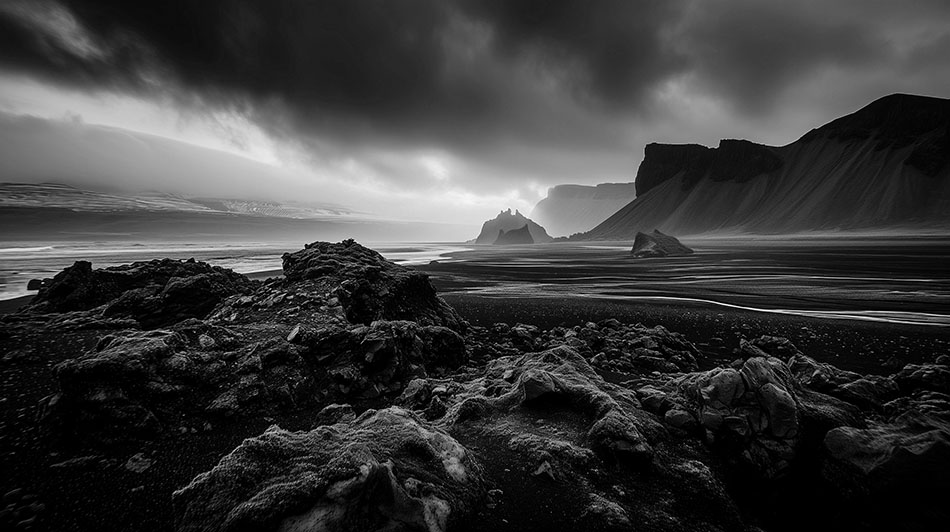
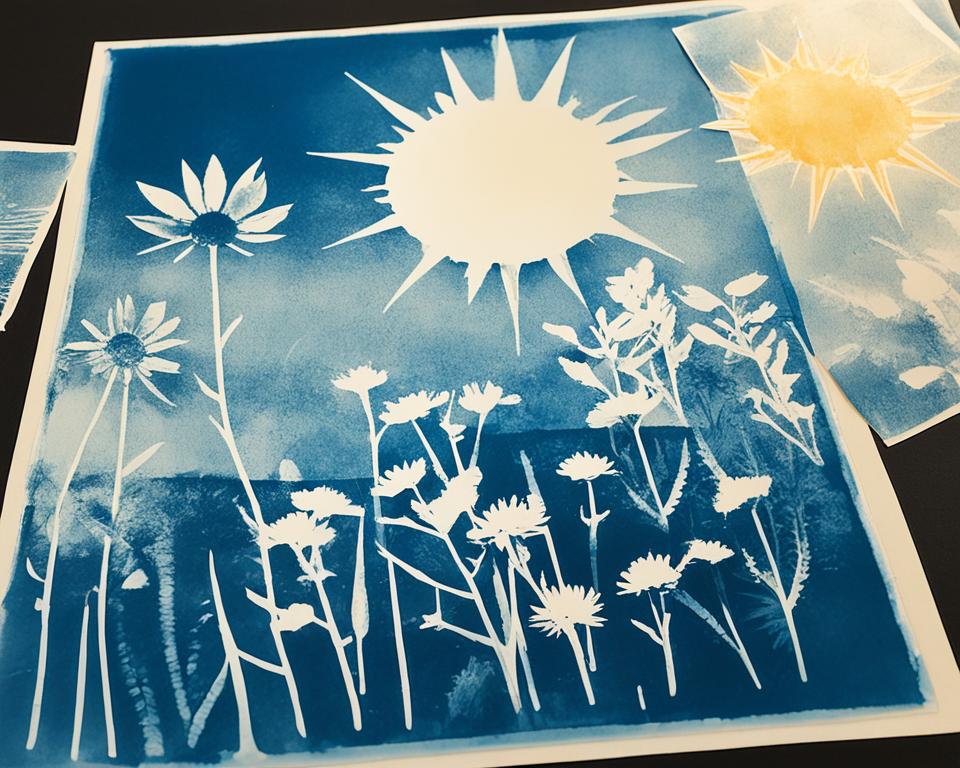
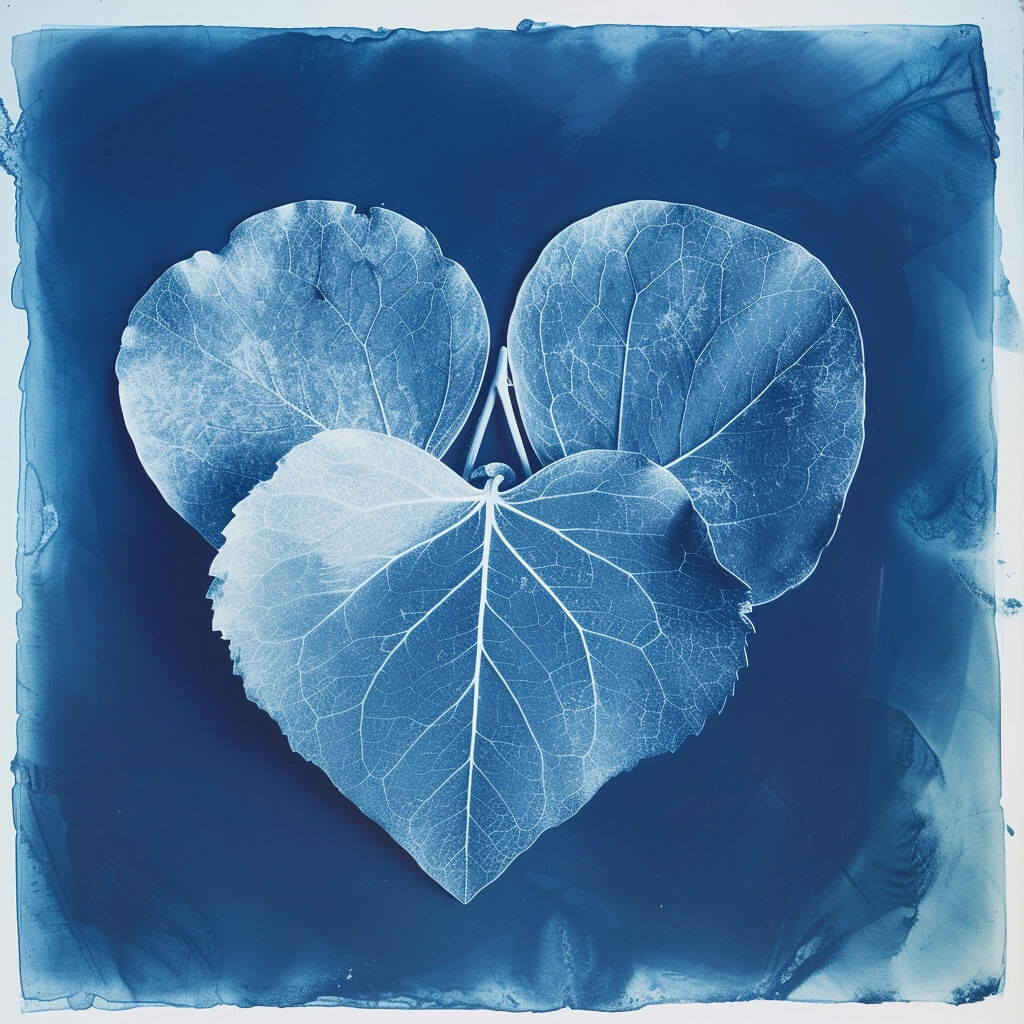
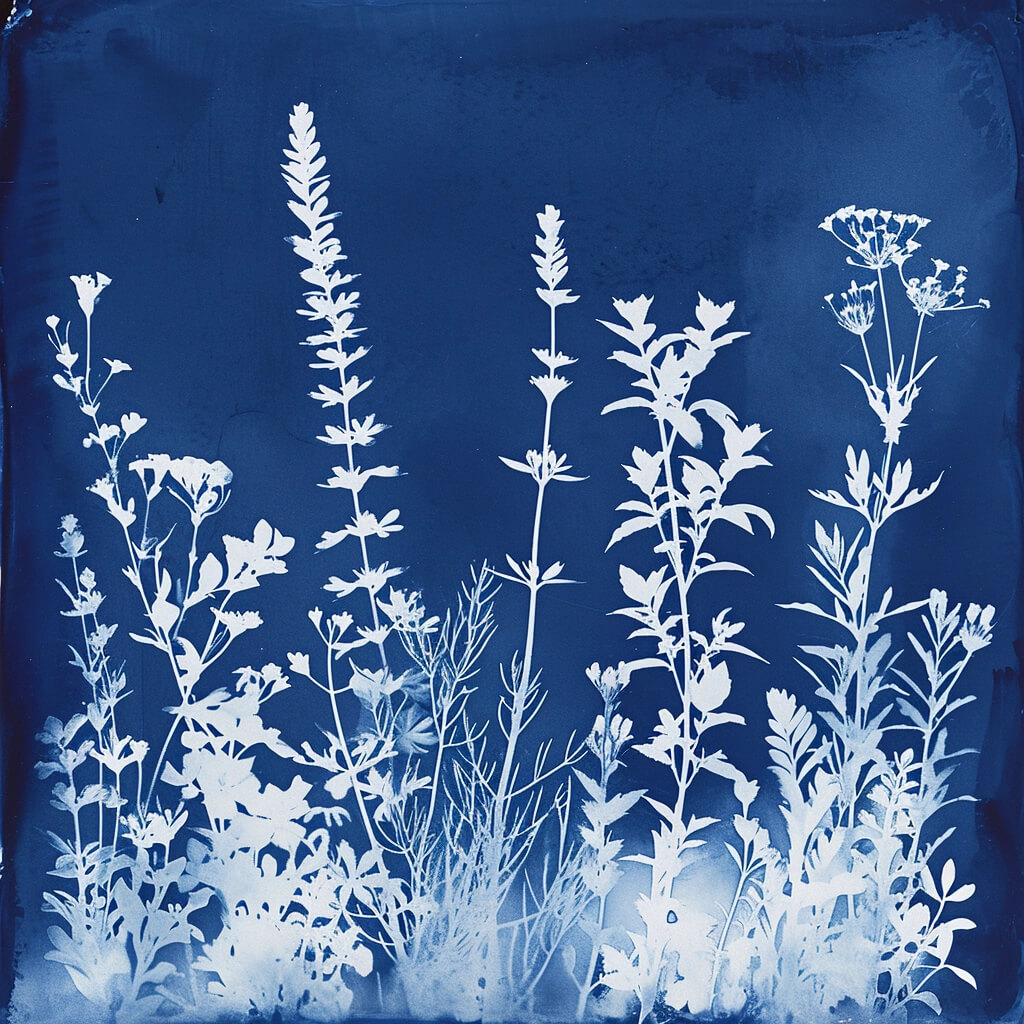
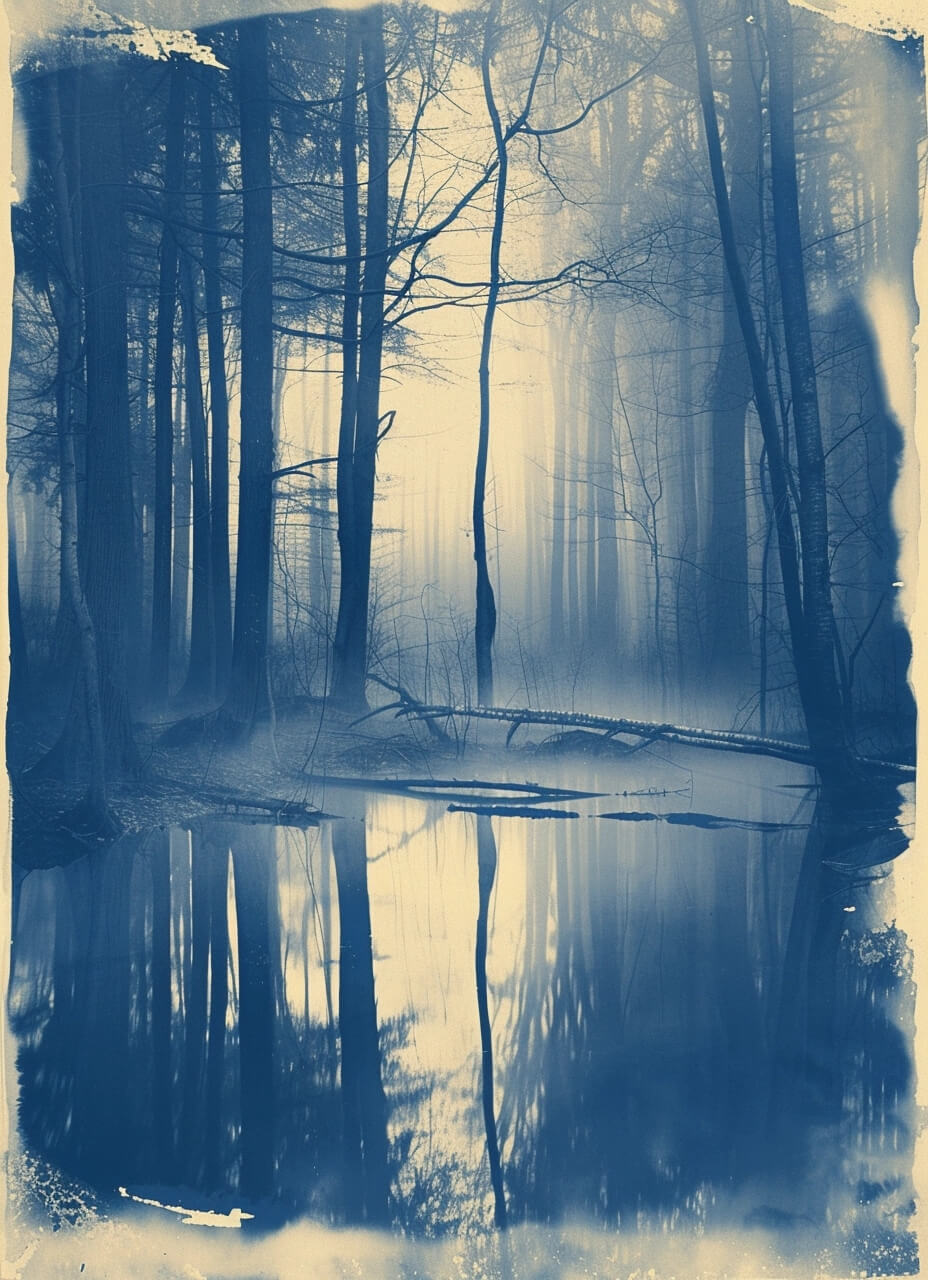 Compared to other traditional photographic printing techniques, such as silver gelatin prints or platinum prints, cyanotypes’ preparation and development processes are relatively simple. Cyanotypes do not require the use of a darkroom and can be developed in daylight, making them easier to handle for beginners who may not have access to darkroom facilities. The chemicals used in cyanotype printing are also less toxic and more readily available compared to the specialised chemicals used in other printing processes.
 Mastering Cyanotypes: Key Takeaways
 FAQ
FAQ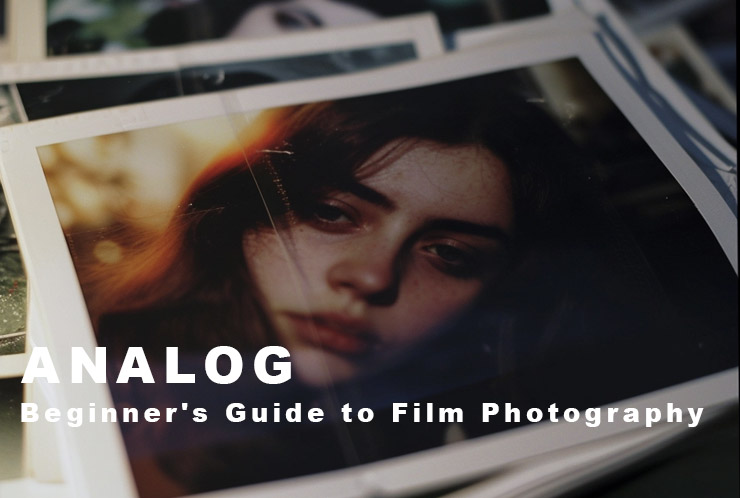
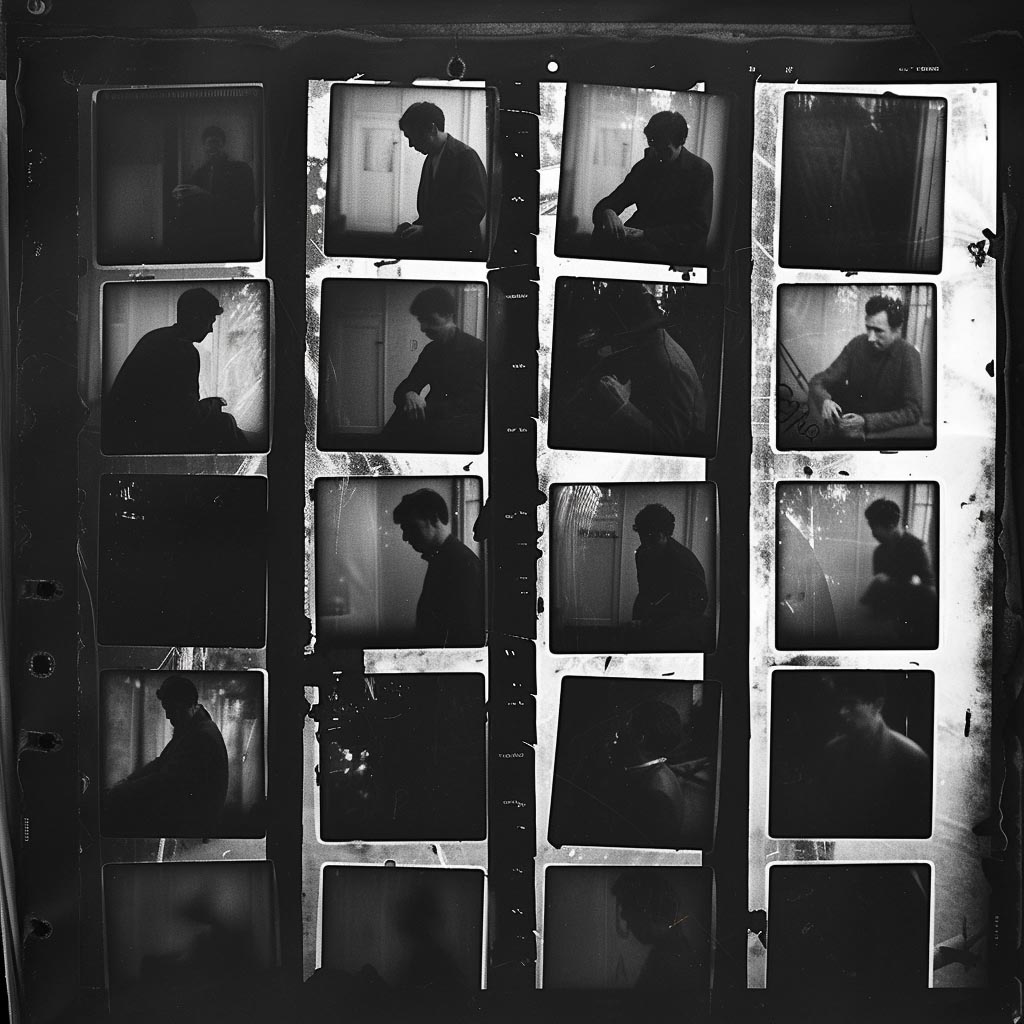 120 film, also referred to as medium format film, offers higher resolution and more detailed negatives compared to 35mm. The larger format allows for a greater amount of information to be captured, resulting in stunningly sharp and detailed images.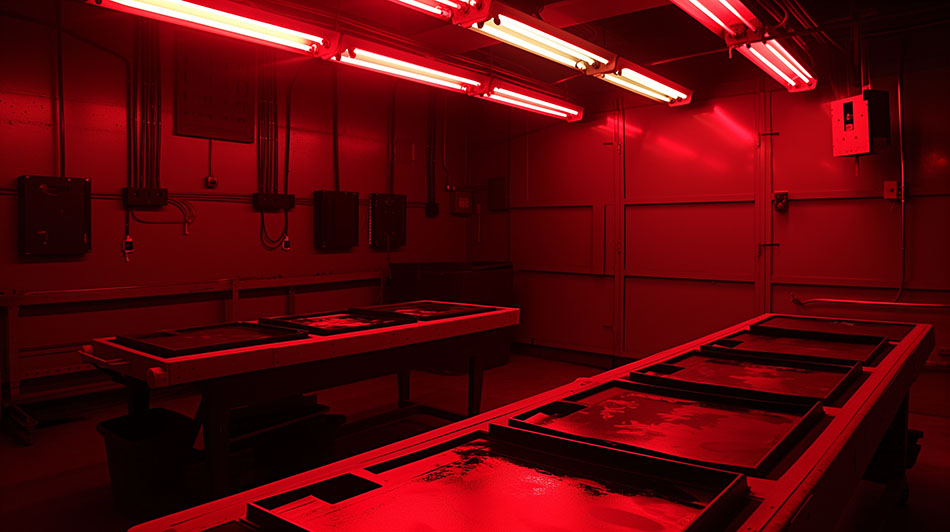

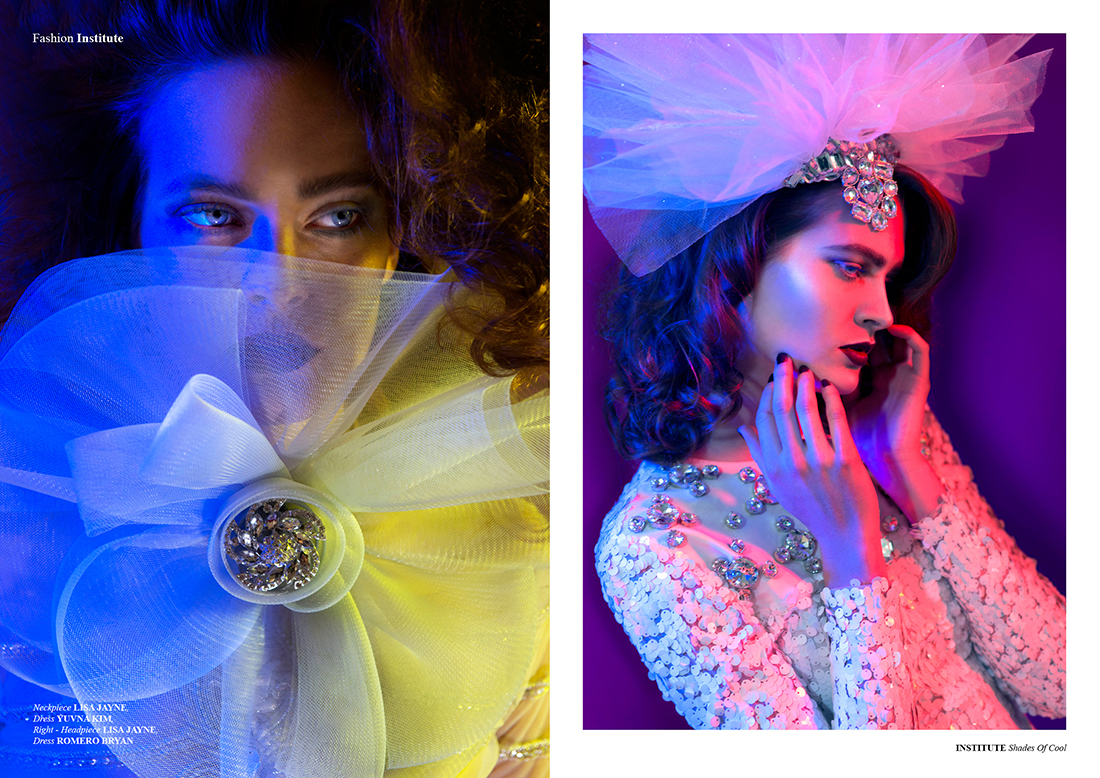
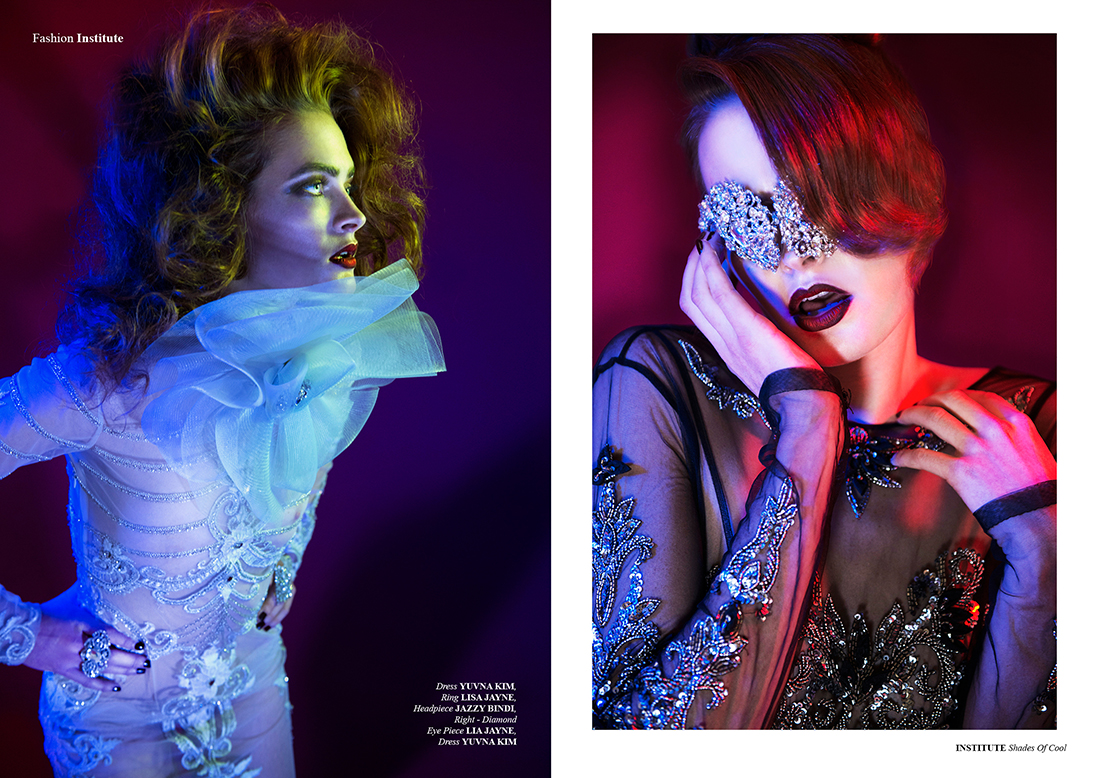
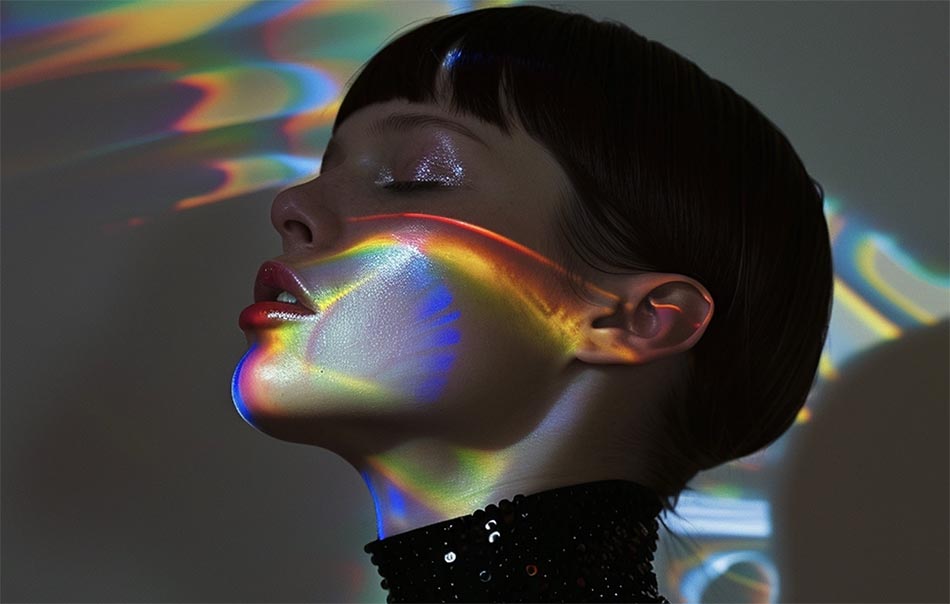
 Projection Distance: To regulate the size of the projected picture, adjust the distance between the projector and the wall. Place the projector at least four feet away from the wall for smaller pictures and at least eight feet away for bigger, more immersive presentations.
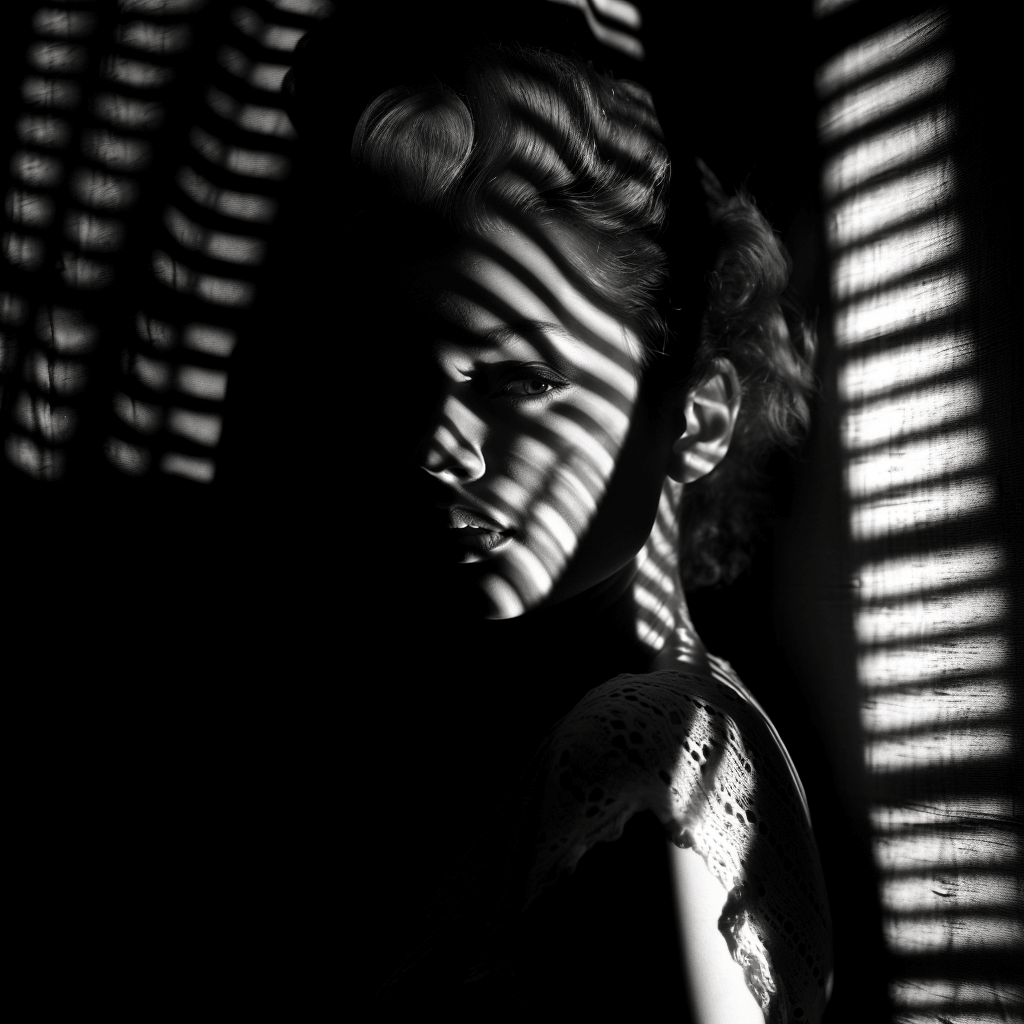 Mastering Projector Photography Camera Settings