
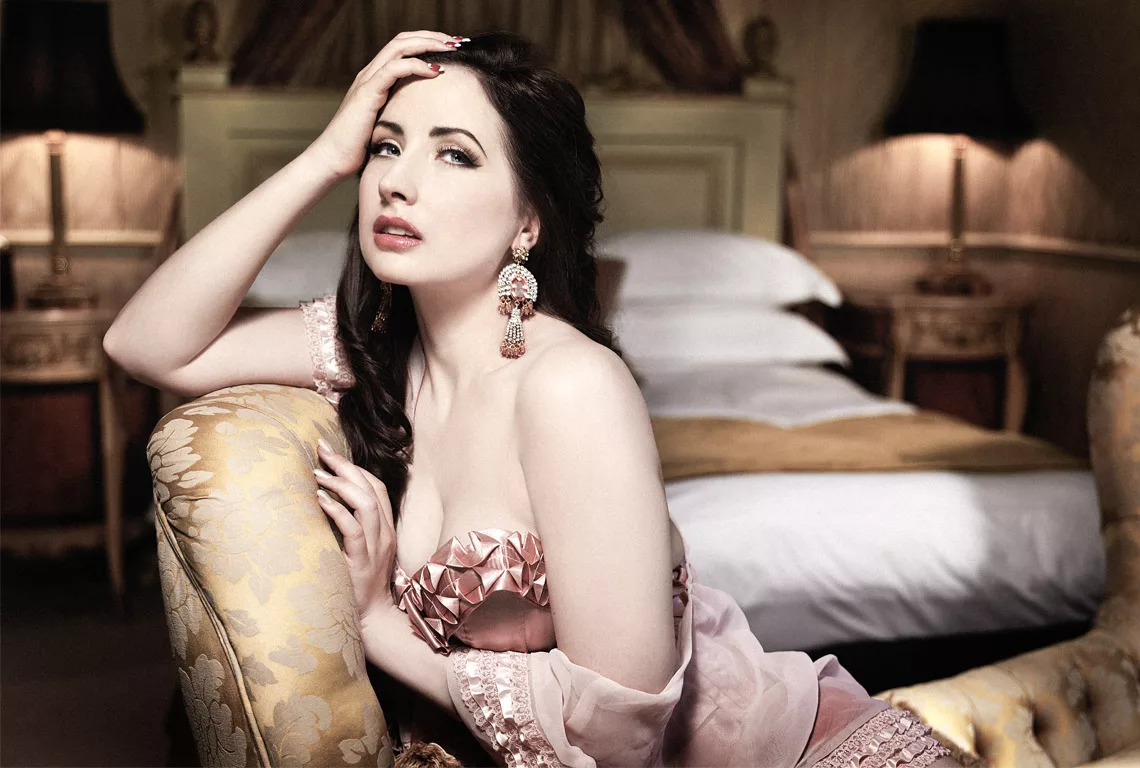
The Quality of Hot Light. Why Hollywood Halogen Still Matters
There is a quality to hot light that modern systems cannot replicate.
By hot light, I mean halogen tungsten lighting.
Eight-hundred-watt lamps.
Redheads.
ARRI hot lights.
This portrait was created using hired halogen units, working in the tradition of Hollywood lighting, but deliberately not following the standard three-point lighting formula.
I worked with two lights only, using barn doors to aggressively control spill and shape shadow. No fill for the sake of balance. No rim light for decoration.
The aim was not coverage. It was sculpture.
Two Lights Instead of Three. Why I Avoided Traditional Three-Point Lighting
Hollywood three-point lighting is often misunderstood. It is treated as a formula rather than a philosophy.
For this portrait, I reduced the system to two lights. A key and a controlled secondary source. Removing the third light forced clarity.
Shadow had to exist. Hierarchy had to be respected.
This is closer to how classic Hollywood portraits were actually made. Less about technical symmetry, more about emotional control.
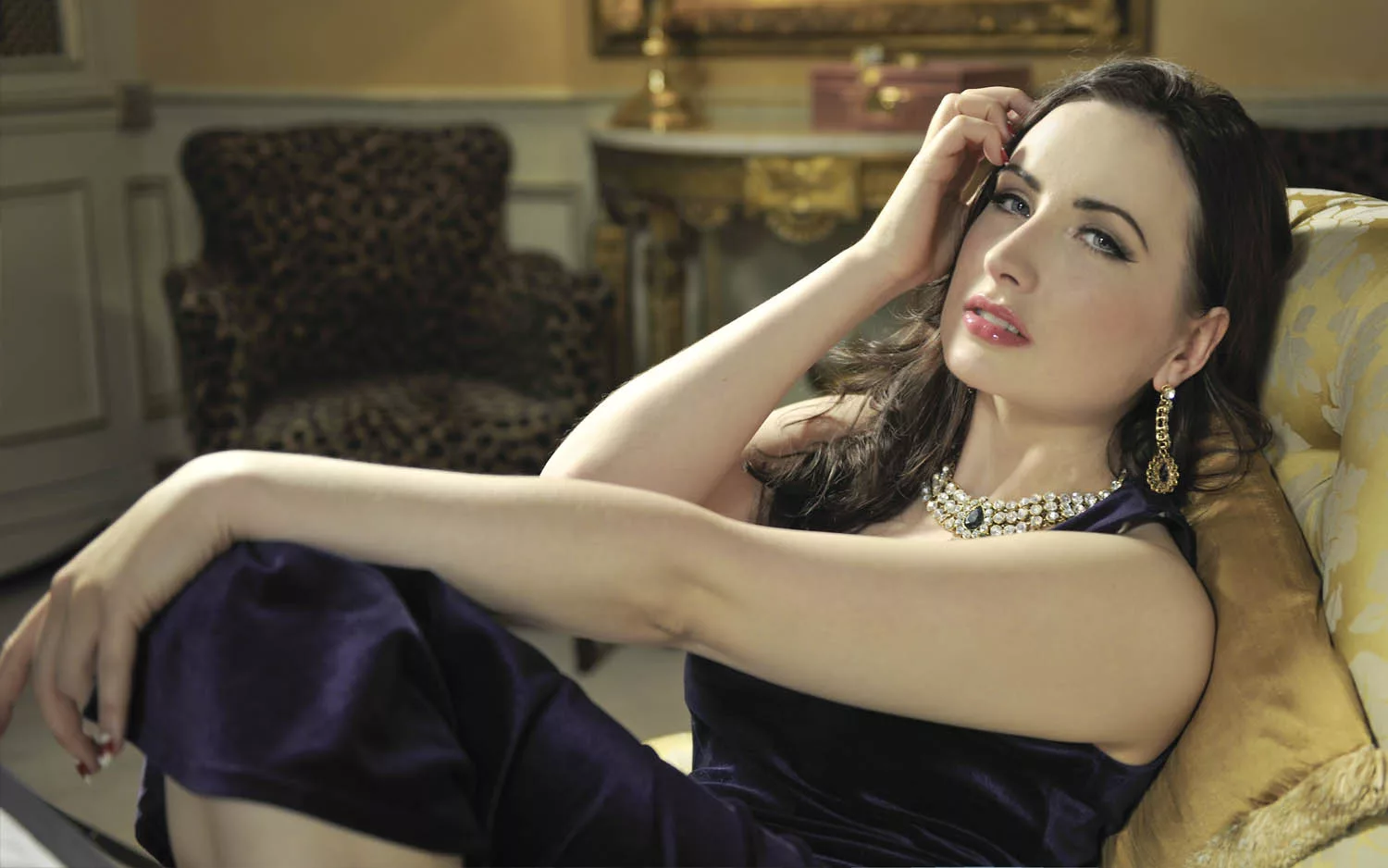
Barn Doors Over Diffusion. Precision Before Softness
Rather than softening everything globally, I shaped the light locally.
Barn doors were essential. They allowed me to:
Cut spill from walls and backgrounds
Control facial falloff
Preserve depth in the shadows
This is an older way of working, but a more honest one. Diffusion hides problems. Barn doors reveal intention.
Rembrandt and Butterfly Lighting as Structural Tools
Within this setup, I worked primarily with Rembrandt lighting and Butterfly lighting, adapting each depending on angle and expression.
Rembrandt lighting gave structure. It defined cheekbones and facial planes.
Butterfly lighting introduced elegance. It lifted the face without flattening it.
These were not styles applied for effect. They were structural decisions. Each shift in angle changed the emotional tone of the portrait.
Why Halogen Light Responds to Makeup Differently
One of the main reasons for using halogen light is how it interacts with good makeup.
With a strong base and theatrical application, tungsten light does something special. It melts into the skin. It allows transitions to become smooth rather than abrupt.
Makeup and light become one system.
This is where the “dreamy” quality comes from.
How Hot Light Reduces the Need for Skin Retouching
By opening the aperture and increasing ISO slightly, halogen light becomes soft without becoming flat.
Highlights roll gently. Shadows retain texture. Skin smooths optically rather than digitally.
In many cases, this removes the need for skin retouching altogether.
Flash freezes texture. LED often exaggerates it. Hot light allows it to breathe.
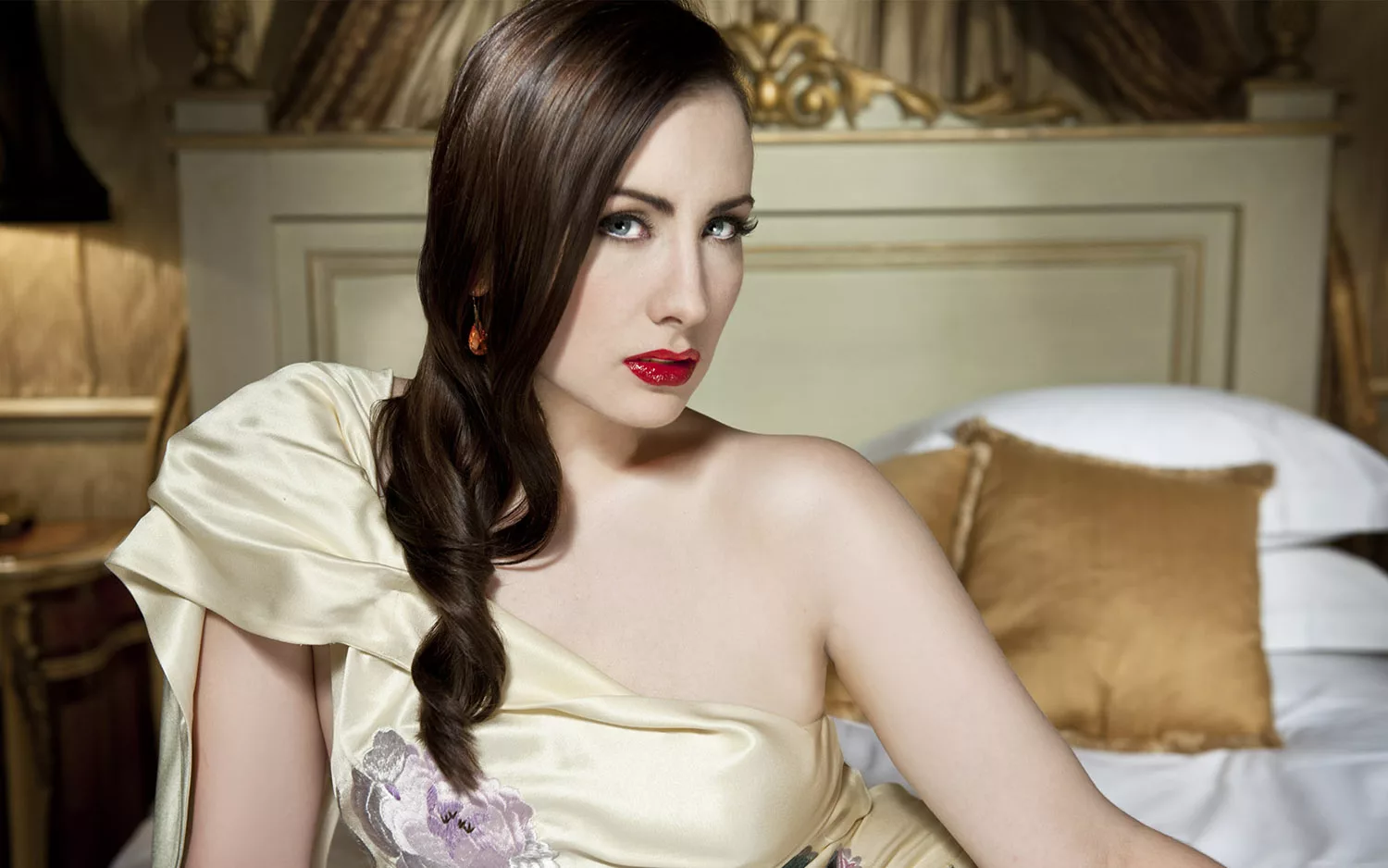
Lighting for Faces, Not Sensors
Hollywood lighting was never designed for sensors. It was designed for faces.
This is the core difference.
Modern lighting workflows often prioritise exposure, dynamic range, and post-production flexibility. Classic lighting prioritised presence.
You saw the light as it existed. You adjusted in real time. You committed.
That discipline changes how you work.
The Cameras and the Process
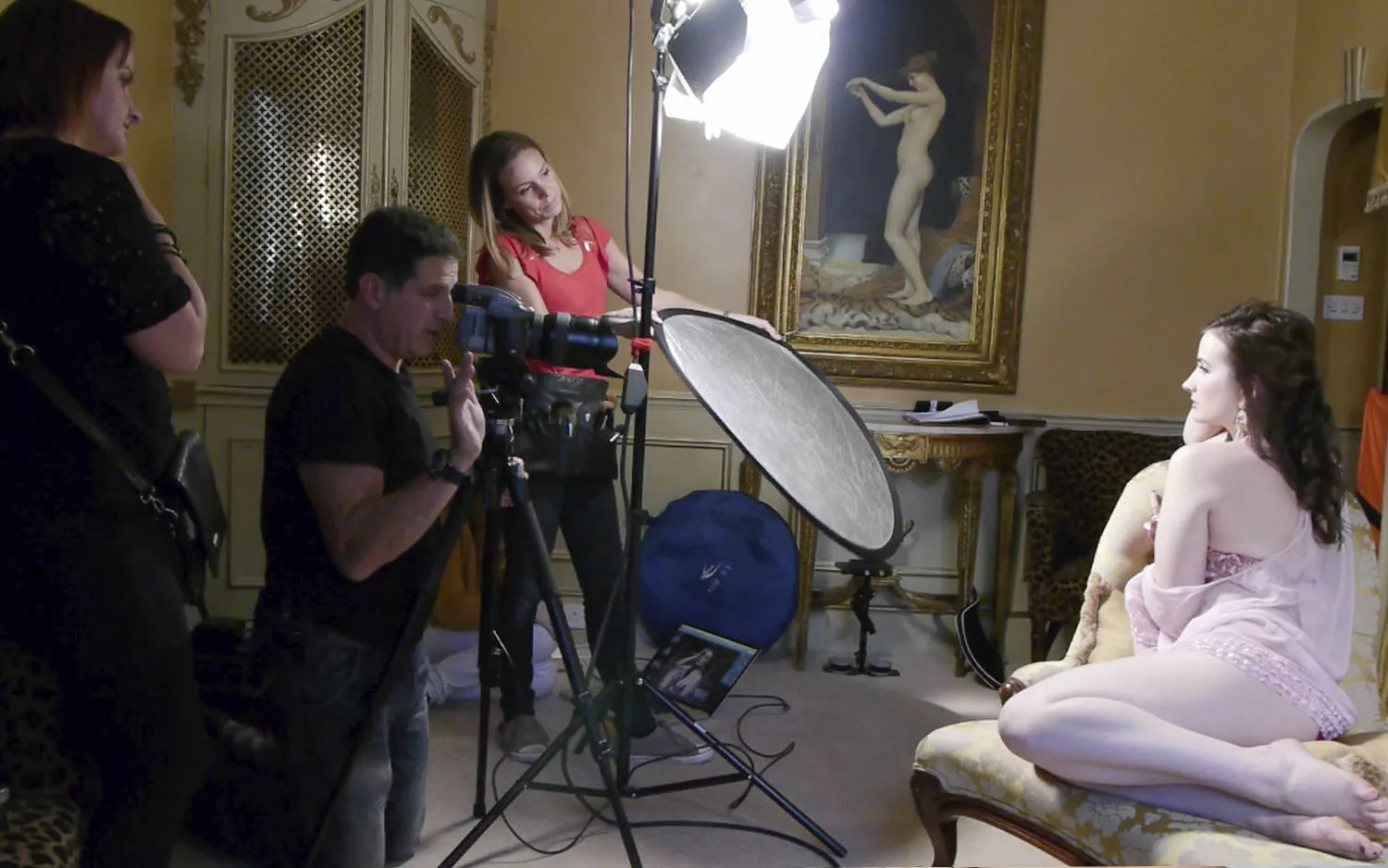
The primary camera for this shoot was a Nikon D3, paired with a Nikon 28mm. That combination gave me proximity and intimacy without distortion.
Alongside this, I also used my Hasselblad, shooting tethered into a laptop. This allowed careful evaluation of tone, falloff, and skin transitions as the shoot progressed.
This is a film-era mindset. Slow. Observational. Deliberate.
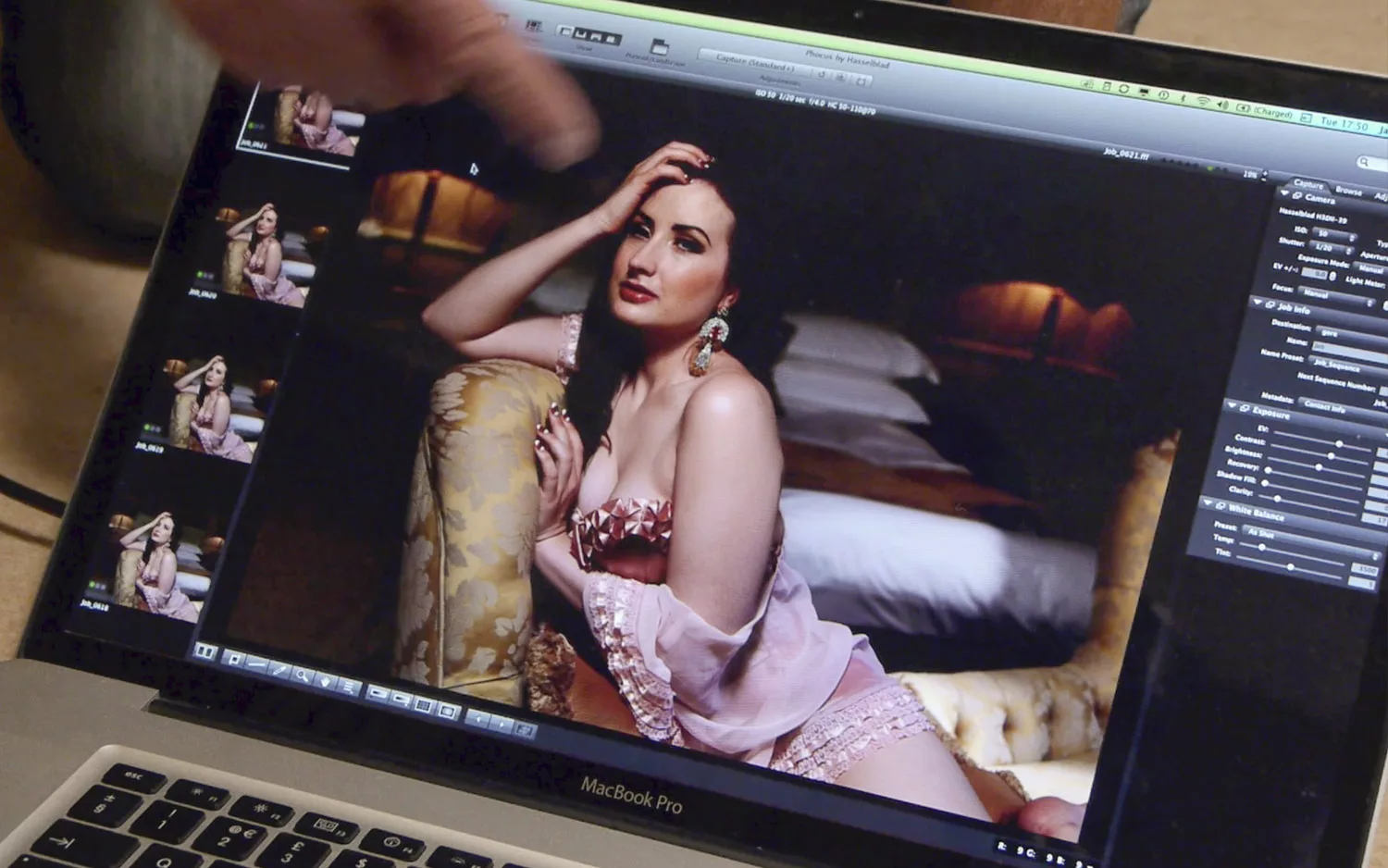
The Portrait Study. One Room, One Day, Six Images
This image was created as a private portrait commission for London burlesque star Millicent Binks.
We had worked together previously, but this time she wanted a very specific look. Classic. Cinematic. Rooted in old Hollywood portraiture.
I carried out a recce and found The Gore Hotel in Kensington. The rooms were already styled. The textures, colours, and proportions suited the lighting perfectly.
The shoot was deliberately restrained:
One room
One day
Two halogen hot lights
Redheads and ARRI units
Barn doors for control
One model
Hair, makeup, and styling
One assistant filming behind the scenes for YouTube
From a single room, working multiple angles, we created six finished images.
Not through variety. Through control.
Why I Keep Returning to Hot Light
Hot light teaches patience.
It teaches restraint.
It teaches respect for the face.
Hollywood lighting was never about brightness. It was about hierarchy, shadow, and intention.
That lesson has not expired.
It is one I will continue to return to.