

Growing Your Photography Business to Six Figures: A Comprehensive Guide
Welcome to this full guide to growing your photography business to a six-figure annual revenue. This ambition is more than an impossible dream; it is fully possible for the vast majority of creatives today, given to the variety of opportunities readily available.
In this post, I, James Nader, will relate my personal journey and offer a clear path to help you achieve similar success.
 Starting Out:
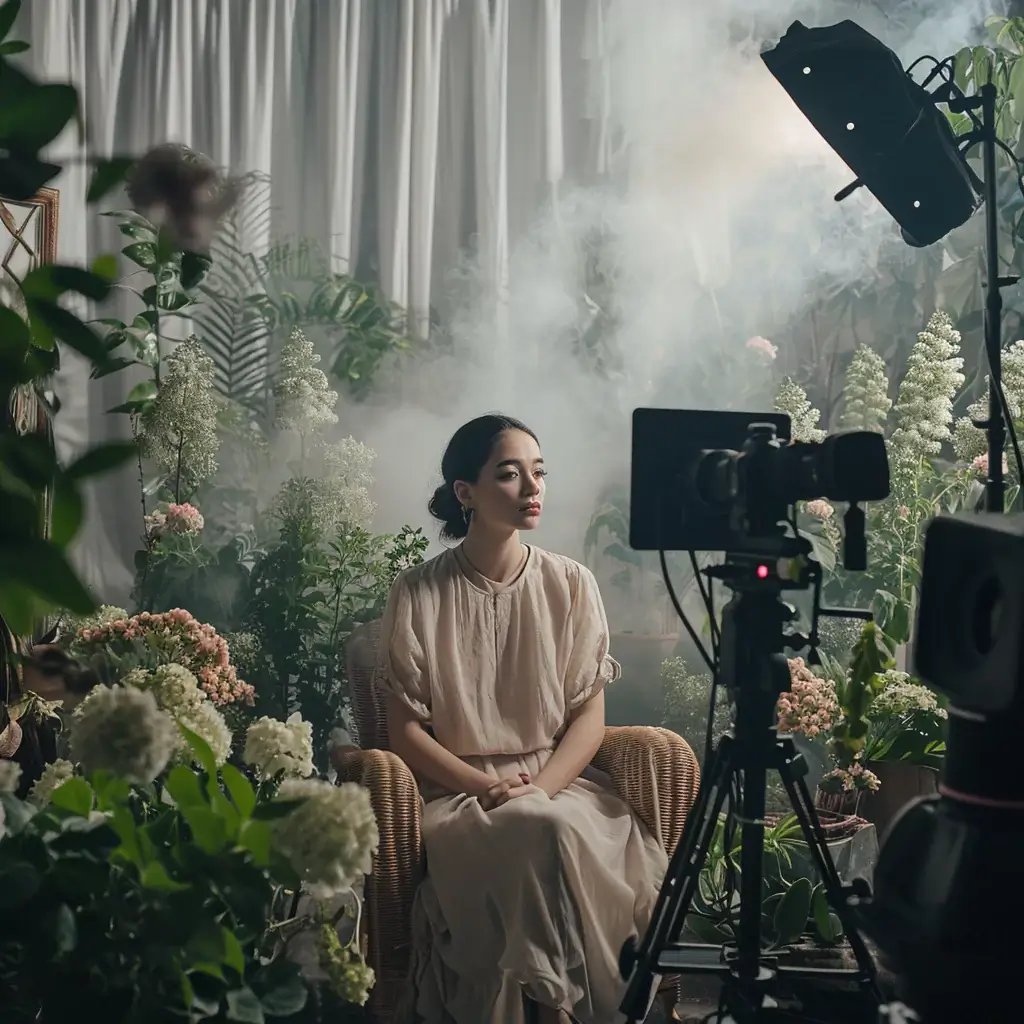 Starting Out:
The Initial Steps
Prioritise in-person interactions.
One of the most prevalent misconceptions in today’s social media-driven society is that you must establish a social media presence from the beginning. While important, your main attention should be on one-on-one interactions. Personal connections are crucial and will pay off throughout your career.
Embrace freelance jobs.
When I initially started, all of my picture shoots were easy freelance work work. This involves family pictures, birthday parties, and advertising photos for entertainment acts. These contracts, though tiny at initially, are crucial for expanding your portfolio and gaining vital experience.
My first paid job entailed taking promotional images for music acts, which paid roughly £200 for a two-hour shoot including editing. Freelance engagements are an excellent way to begin earning money in photography. They improve your reputation and help you get referrals through word of mouth, which can lead to bigger chances.
Developing the Artistic Side of Your Photography
While growing your freelance business, it is also important for developing the artistic part of your photography. This combination of techniques removes creative burnout and allows you to work on projects you are passionate about. Your art can be anything that interests you, For me, it was people and fashion.
 Focusing on Artistic Photography.
Early in my career, I specialised in people photography, headshots and portfolio work This method helped me create a kudos for the work i produced. Consistently promoting your work and offering behind-the-scenes content develops a closer connection with your target market, increasing the likelihood that they will support your projects, such as picture books or prints.
Leveraging Social Media
Social media sites such as TikTok and Instagram are important for brand development these days. Behind-the-scenes footage and narrative will help you engage your audience and build a following. Using these channels properly can result in more freelance work and art sales.
Expanding your reach via YouTube.
After establishing a considerable portfolio and social media presence, I expanded into YouTube, however, this is an ongoing process and so far, i have fallen short of being good at it. This platform is now enabling me to share my knowledge, review things, and create tutorials. While not everyone requires a YouTube account, discovering methods to use your expertise is important. Workshops, presets, and gear reviews may all be included.
Creating the Knowledge Branch.
As you gain experience, you can start another branch of your firm that focuses on sharing your expertise. This might be selling presets, hosting workshops, or creating instructive content. Knowledge is always valuable, and sharing it can broaden your audience and boost your income.
Securing commercial photography projects.
Commercial assignments, in which businesses buy the rights to your photographs, occur when you have established an ongoing clientele and reputation. These possibilities typically arise years into your career but can dramatically enhance your salary.
Initially, I worked on modest projects using web licences to gradually grow my portfolio. Over time, I attracted larger clients and more profitable projects. Networking and consistently producing high-quality work are essential for securing these possibilities.
Roadmap to Six-Figures
Growing a photographic business to six figures does not happen quickly. It requires dedication, consistency, and the ability to adapt and improve. You may construct a sustainable and profitable photography business by focusing on person-to-person interactions, expanding your portfolio, leveraging social media, and branching out into new areas such as YouTube and commercial assignments.
Key Takeaways
Person-to-Person Interactions: Personal contacts are vital for gaining initial clients and referrals.
Freelance Jobs: Begin with little projects to create your portfolio and reputation.
Artistic Side: Develop your creative initiatives to avoid burnout and build a following.
Social Media: Use TikTok and Instagram to interact with your fans and exhibit your work.
Expand Your Reach: Consider using YouTube, creating workshops, and selling presets.
Commercial assignments: As your reputation increases, consider taking on commercial photography assignments.
Action Plan
Build Your Portfolio: Begin with small freelance assignments and eventually progress to larger projects.
Make close connections and utilise word-of-mouth to your benefit.
Create Art: Set aside time for your artistic pursuits to keep your creative juices flowing.
Use Social Media: Regularly share your work and behind-the-scenes content on TikTok and Instagram.
Consider launching a YouTube channel or providing workshops and presets as you gain skill.
Pursue Commercial contracts: As your reputation rises, aim for more lucrative commercial photography contracts.

FAQs:
1. How long does it take to scale a photography business to six figures?
It varies, but it usually takes five to seven years of dedicated labour and networking.
2. Do I need a YouTube channel to succeed?
Not necessarily. While YouTube is a useful platform, you can also use other ways to share your abilities, such as workshops, presets, or equipment evaluations.
3. How crucial is social media for growing a photography business?
Social media is essential for establishing your brand and engaging with your target audience. TikTok and Instagram are very useful for photographers.
4. Which types of freelancing jobs should I begin with?
Begin with any work that will allow you to gain experience and expand your portfolio, such as family pictures, events, or promotional photos for small businesses.
5. How can I avoid creative burnout?
By combining freelance employment with creative initiatives that you are enthusiastic about. This dual strategy keeps your creativity alive while preventing burnout.
Final Thoughts
Expanding a photographic business to six figures necessitates a comprehensive strategy. It’s about blending face-to-face encounters with a robust social media presence, always expanding your skills and products, and using your expertise. You can start a successful and long-lasting photography business by following the steps suggested in this tutorial.
Action Plan Summary
Begin with Freelance Jobs: Gain experience and expand your portfolio with smaller projects.
Network: Make personal contacts to get referrals and expand your client base.
Cultivate artistic projects Maintain a balanced workload to keep your creativity alive.
Use Social Media: Connect with your audience on platforms such as TikTok and Instagram.
Consider expanding your offerings by adding educational content, workshops, or selling presets.
Aim for commercial projects. As your reputation grows, pursue more lucrative commercial photography gigs.
By following this comprehensive approach, you’ll be well on your way to expanding your photography business to six figures or beyond. Stay committed, keep studying, and continue to expand your network, and success will come. Visit James Nader for additional advice and thoughts.
Register for My Photography Business Course
In addition to this book, I’m thrilled to announce the debut of my full photography business course. This course teaches you all you need to know to expand your photography business to six figures and beyond.
By registering, you will receive:
Exclusive insights: In-depth strategies and insights not found in the blog.
Video Tutorials: Step-by-step video lessons for navigating the commercial side of photography.
Personal Mentorship: Access to Q&A sessions in which I will personally respond to your queries.
Free resources include templates, checklists, and other useful tools for streamlining your company’s procedures.
Sign up now to have access to all of this free material and begin creating your successful photography business. Enrol in James Nader photographic Course to further your photographic journey.
www.jamesnadereducation.com

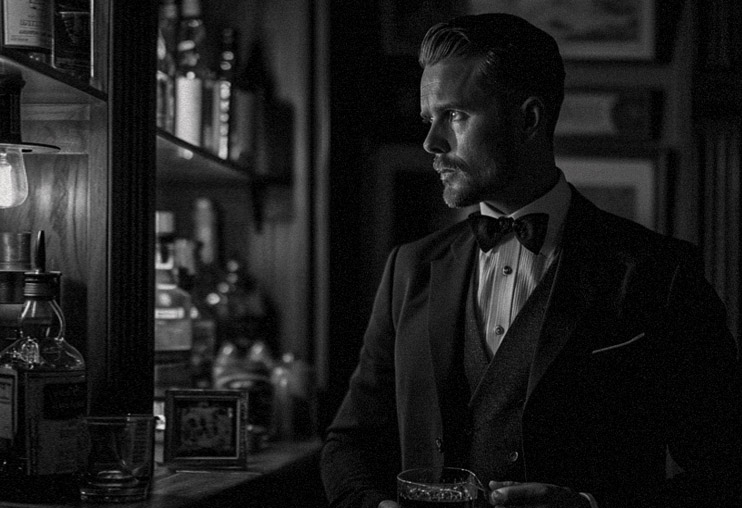



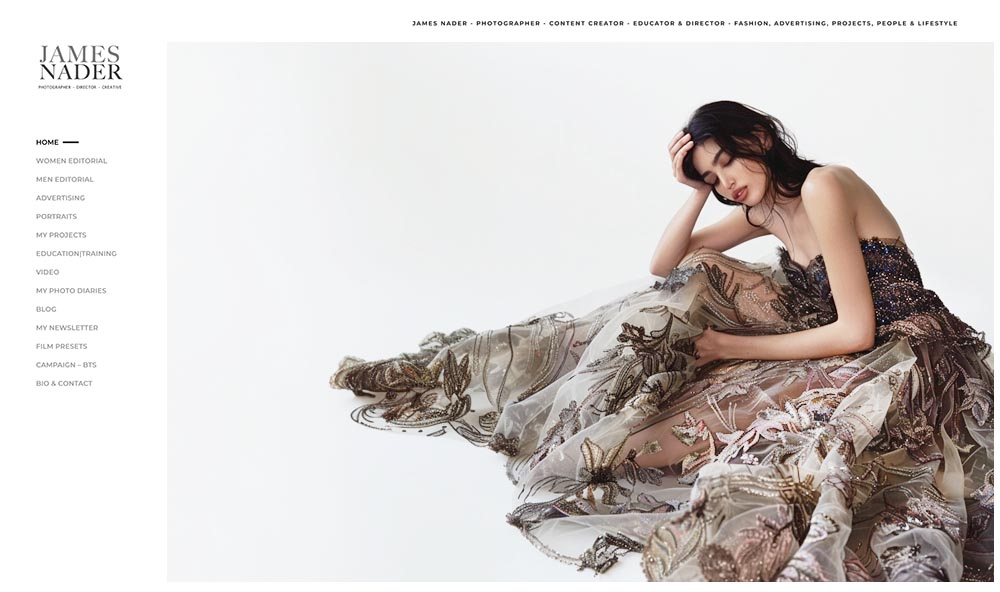
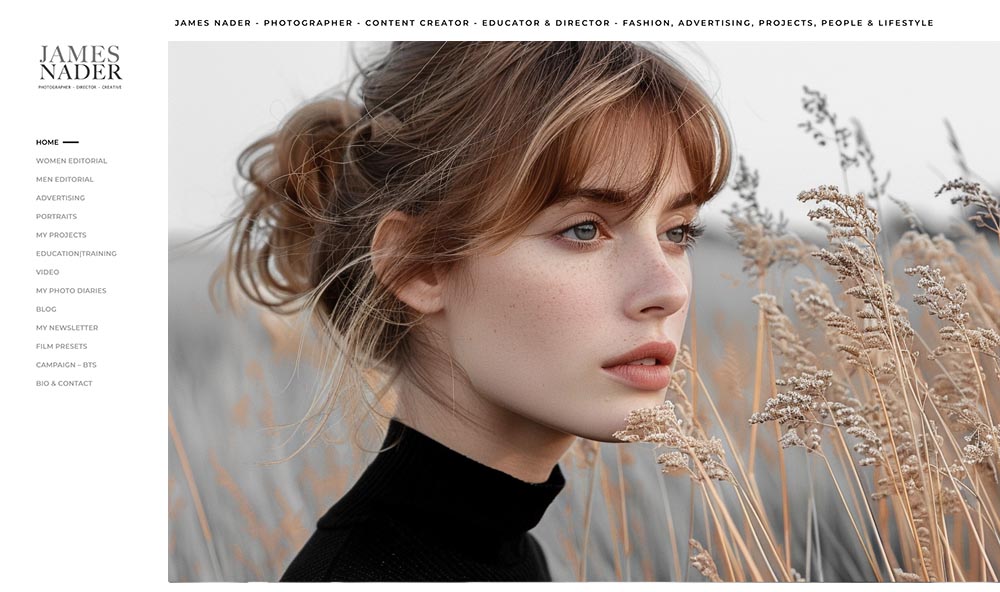
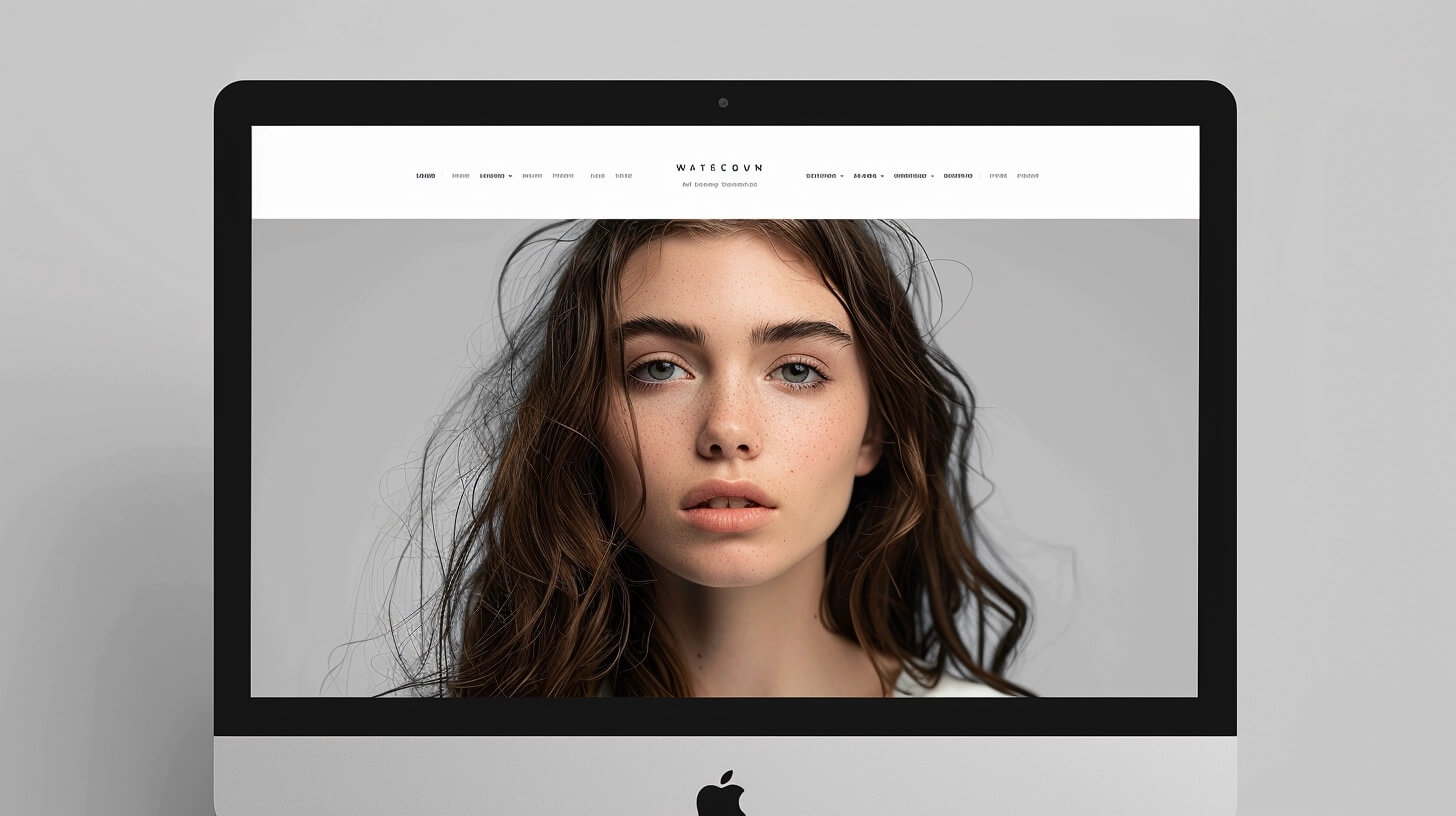
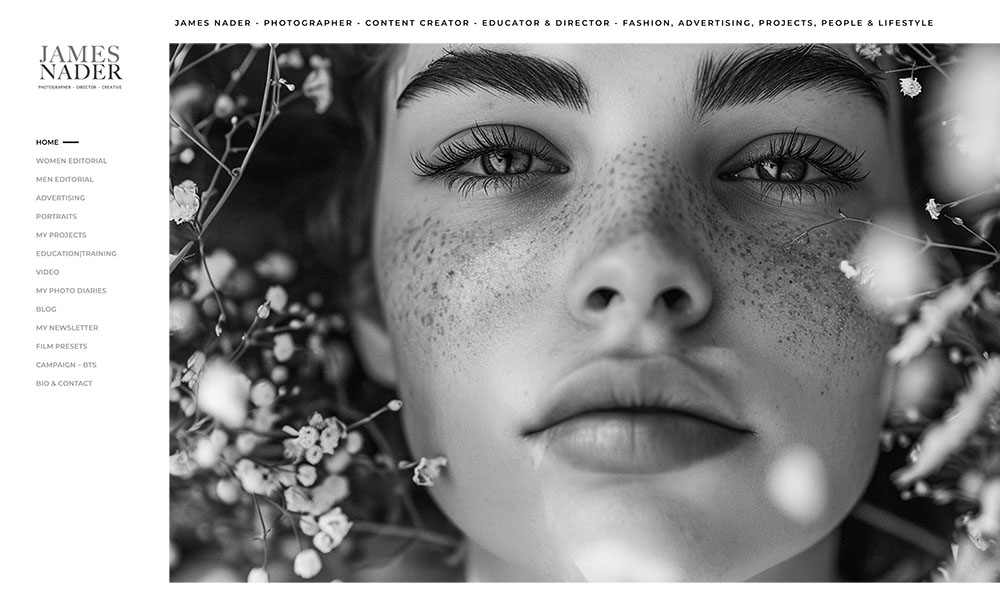 Online, printed, and coffee table book portfolios are just a few alternatives to display your photography skills. To attract clients with your portfolio, you should optimize and optimize captivating photos and descriptions and give a free portfolio to get early traction. Improving your photography portfolio is as simple as adding what you need and figuring out how to showcase your work in the best light for potential clients.

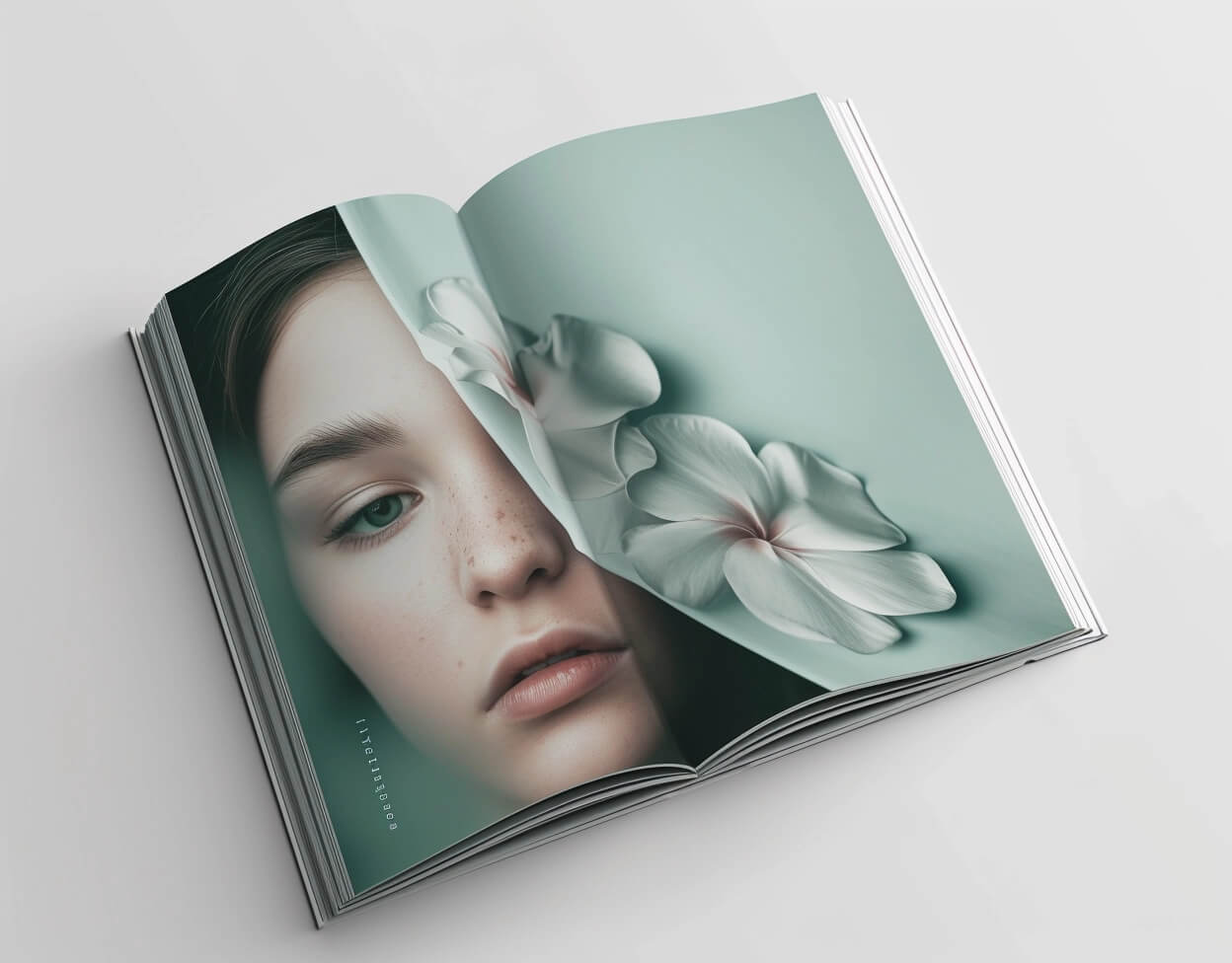
 Attracting Clients with a Strong Portfolio
 6. Highlight Your Technical Skills

 Develop an Online Presence
 Creating a Visually Appealing Photo Gallery or Portfolio Website


 Understanding the Basics of Beauty Retouching in Photoshop

 Enhancing Features with Dodge and Burn
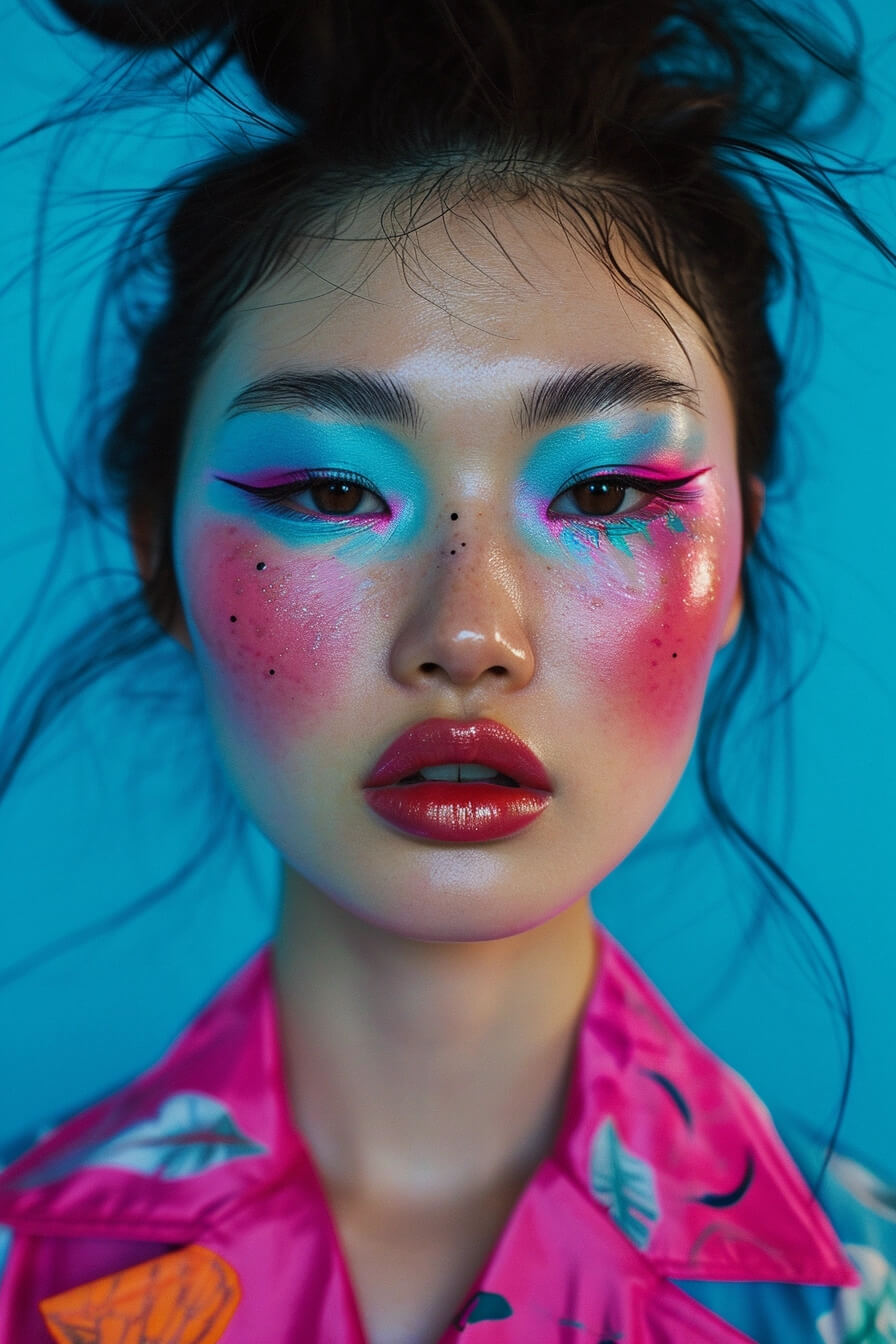 Using Layers to Preserve Image Quality



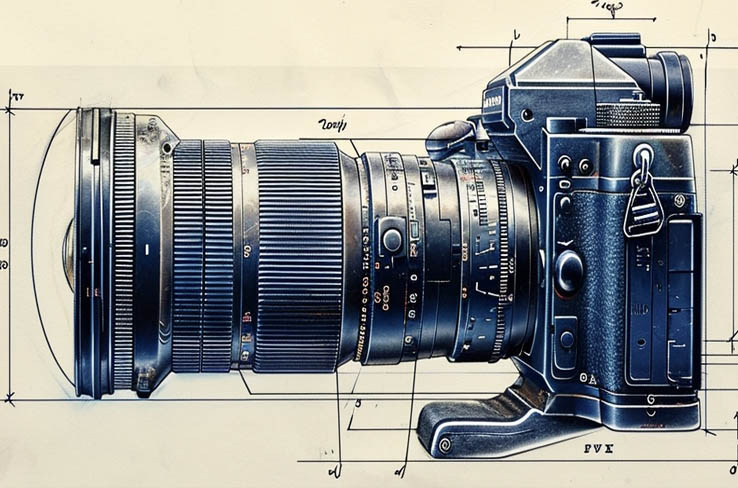

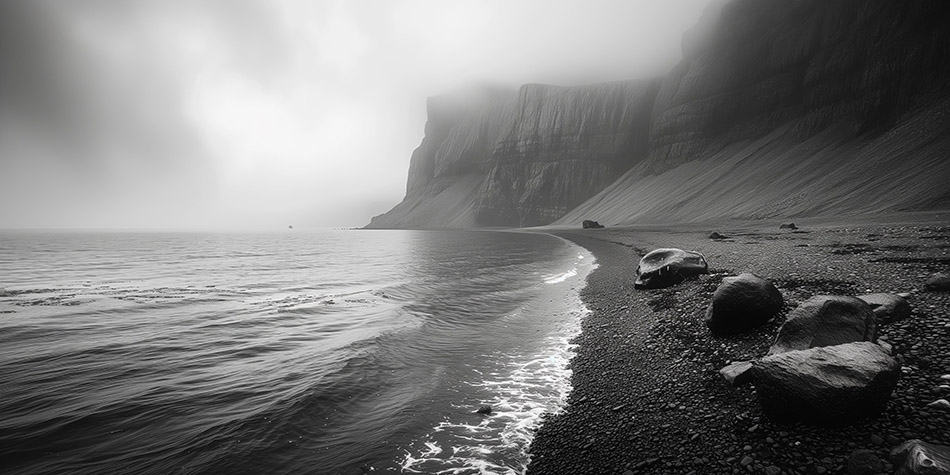
 Implementing the Zone System in Your Digital Workflow
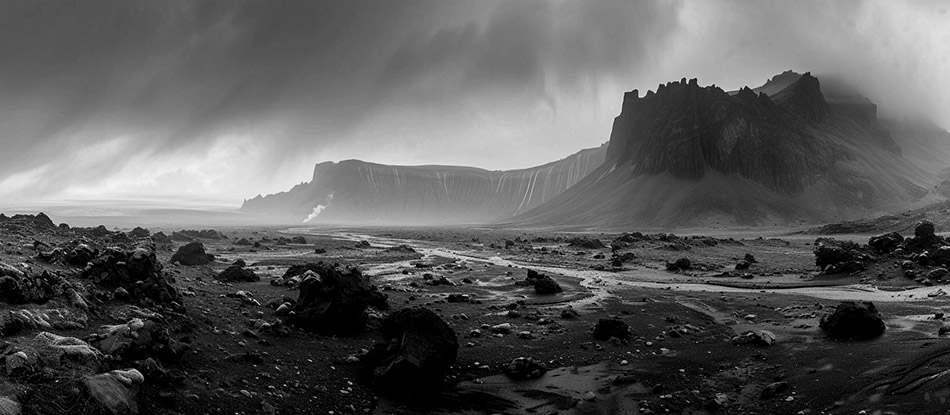 Utilising Dynamic Range to Your Advantage
 Landscape Photography: Capturing Wide Dynamic Ranges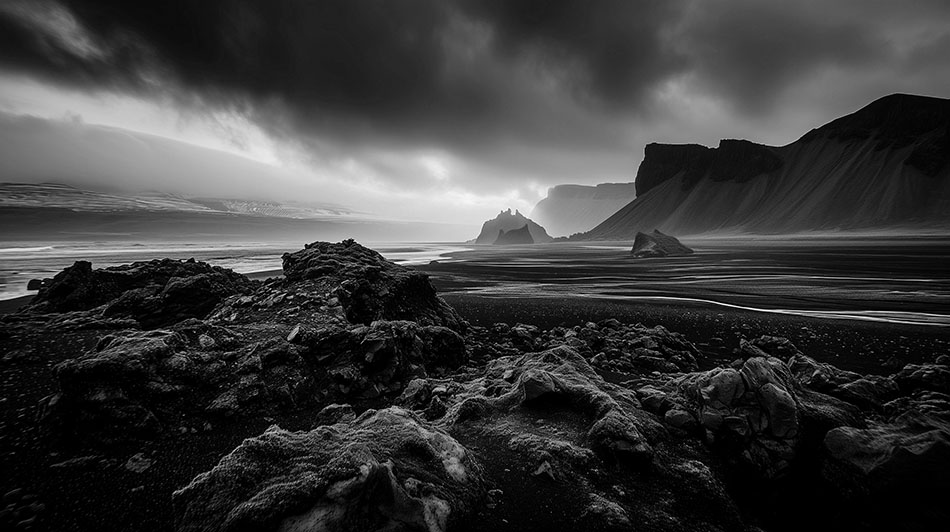
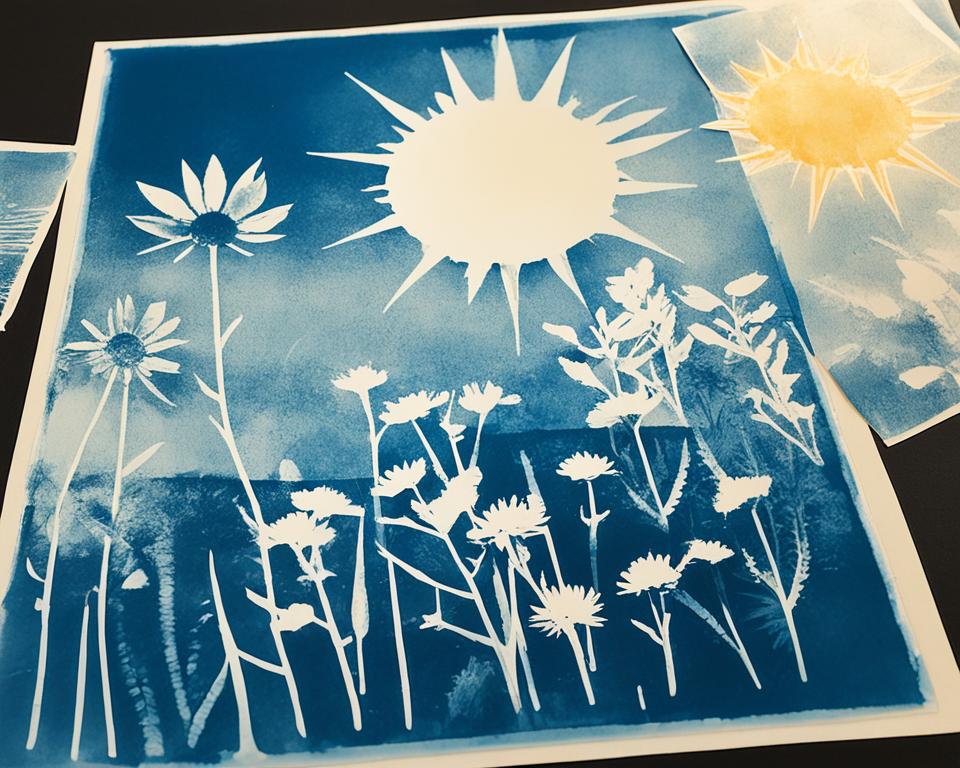
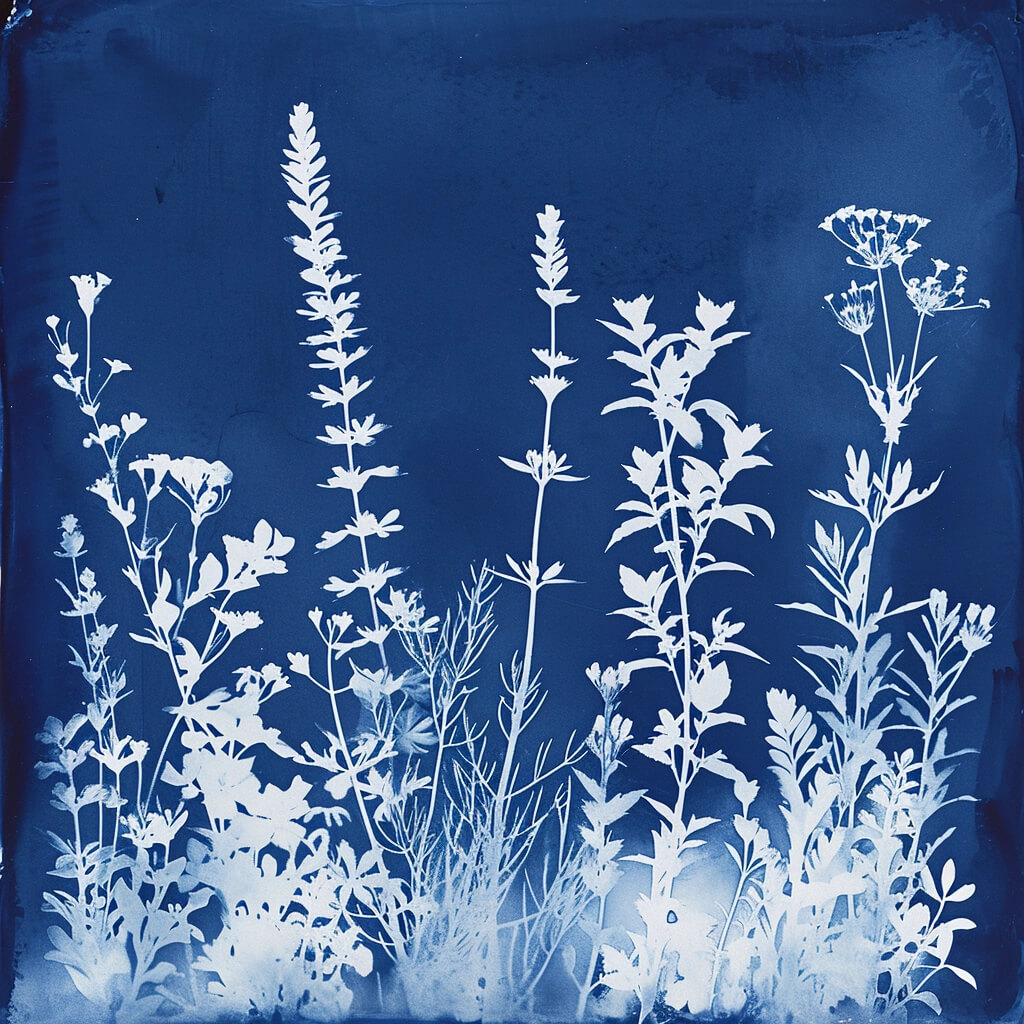
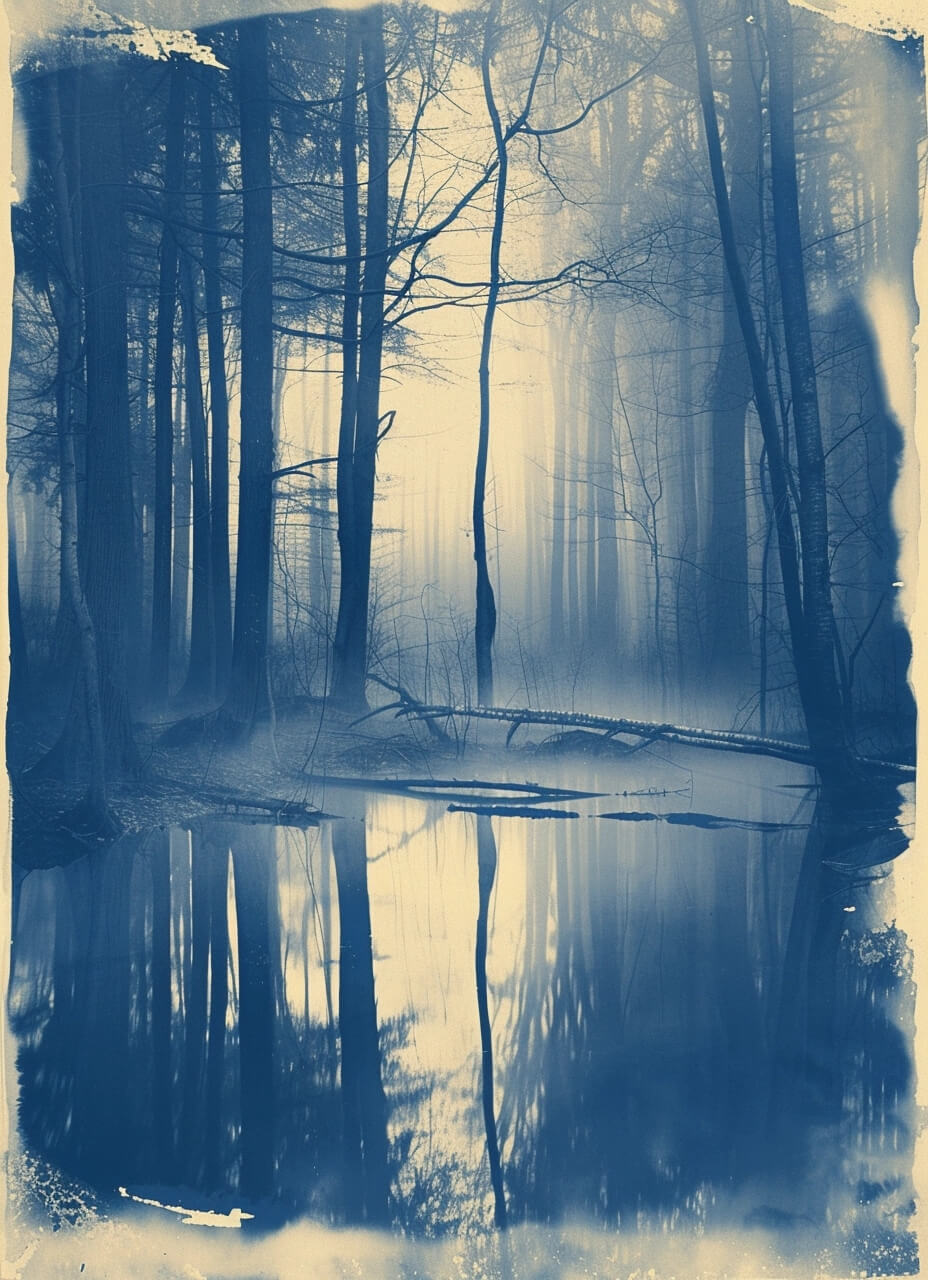 Compared to other traditional photographic printing techniques, such as silver gelatin prints or platinum prints, cyanotypes’ preparation and development processes are relatively simple. Cyanotypes do not require the use of a darkroom and can be developed in daylight, making them easier to handle for beginners who may not have access to darkroom facilities. The chemicals used in cyanotype printing are also less toxic and more readily available compared to the specialised chemicals used in other printing processes.
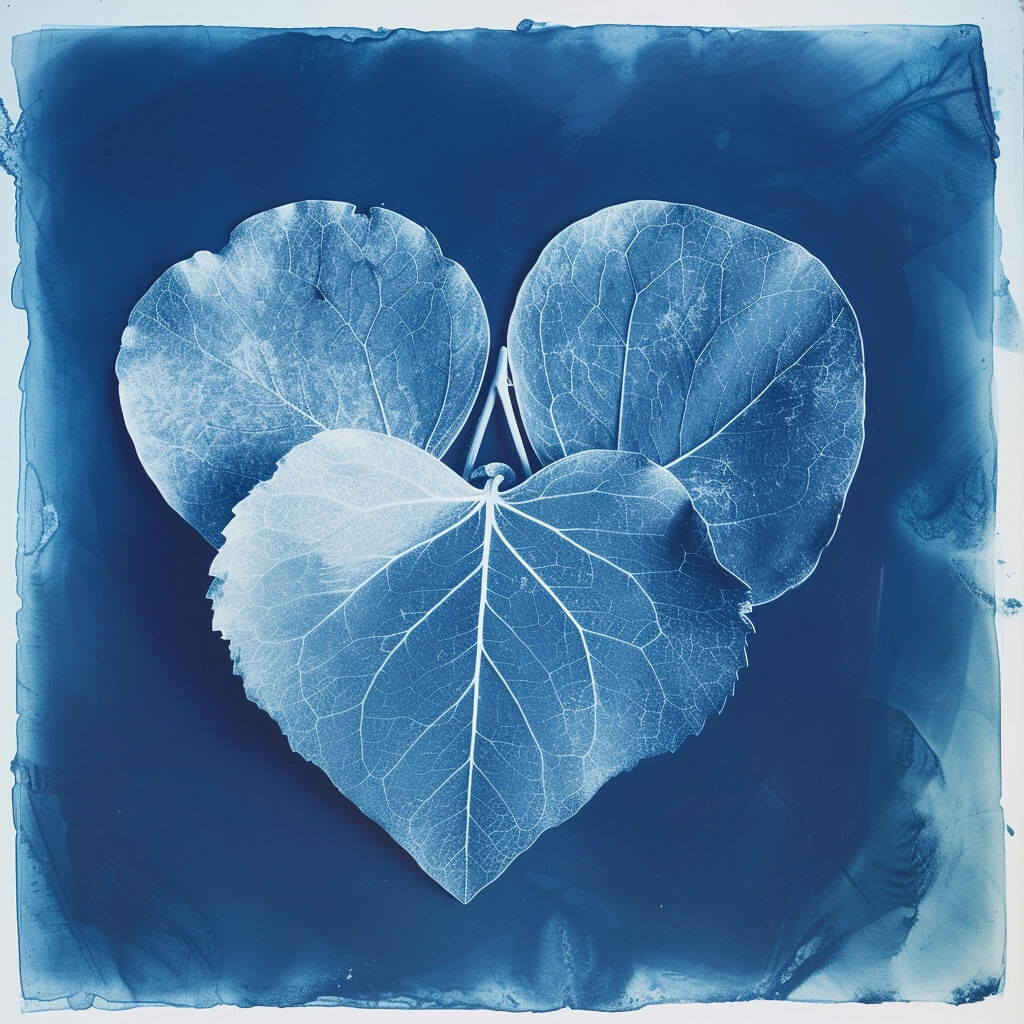 Mastering Cyanotypes: Key Takeaways
 FAQ
FAQ
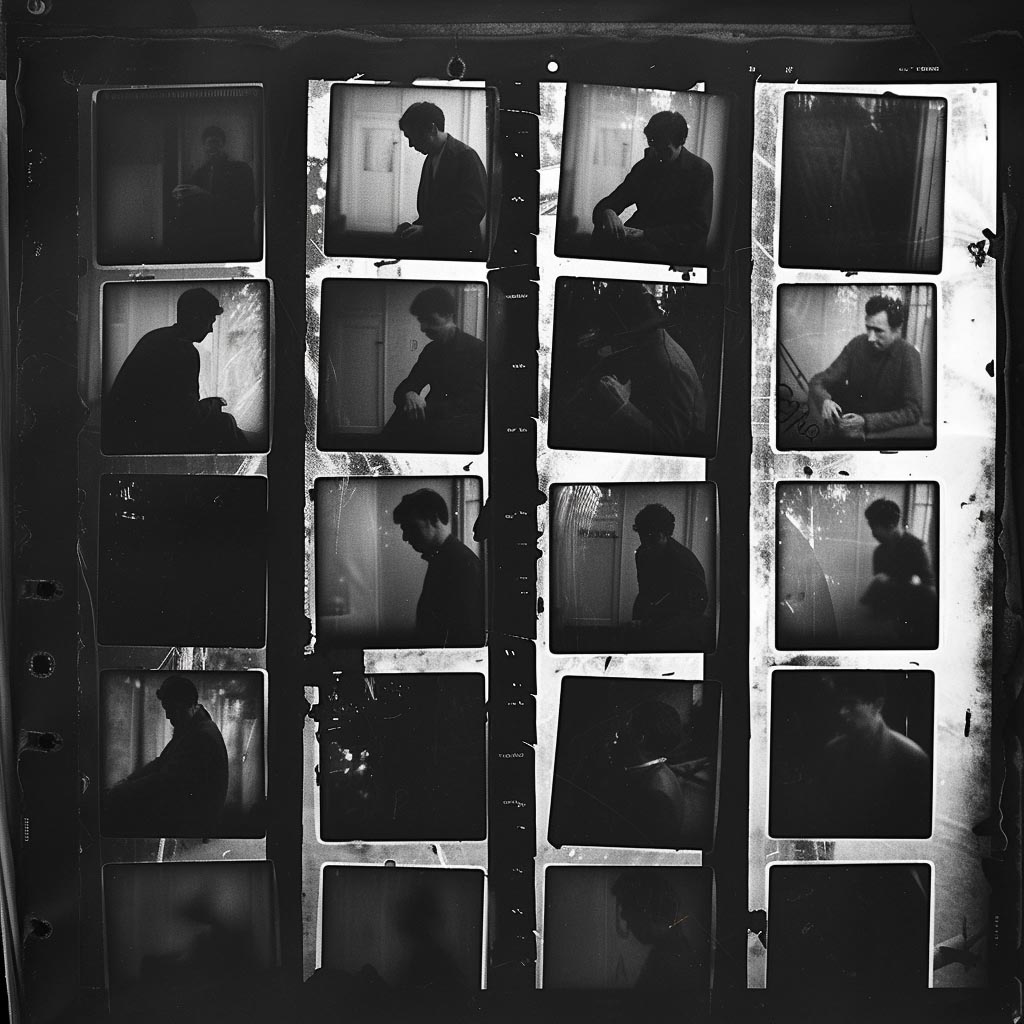 120 film, also referred to as medium format film, offers higher resolution and more detailed negatives compared to 35mm. The larger format allows for a greater amount of information to be captured, resulting in stunningly sharp and detailed images.

 Natural Light for Indoor Portraits – Household Portrait Lighting Setup
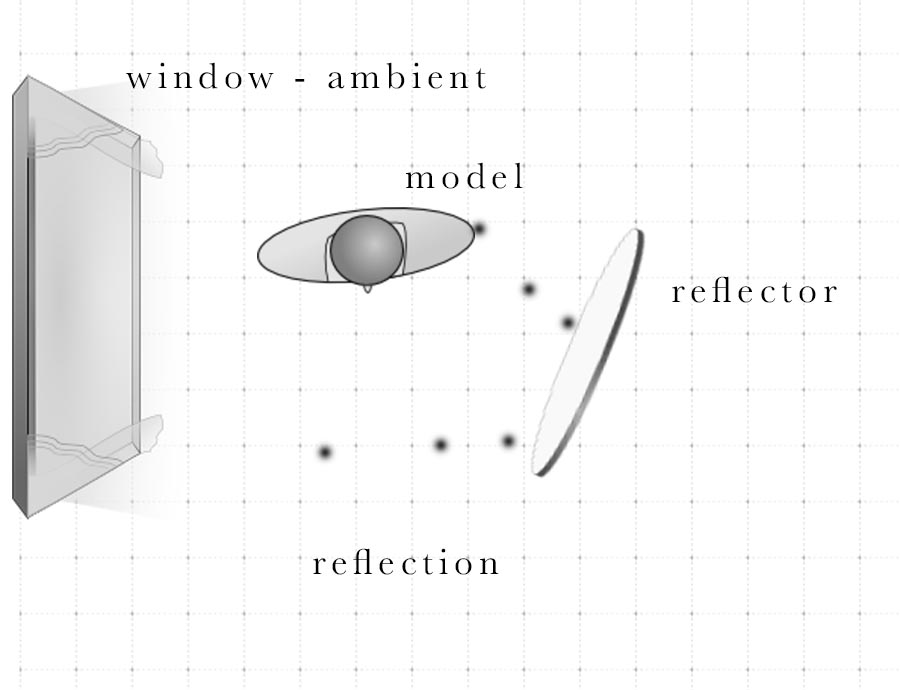 Once you’ve identified the ideal window, position your subject near it. This allows the natural light to serve as your primary light source, illuminating your subject softly and pleasingly. Avoid placing your subject too close to the window, which may result in harsh shadows or uneven lighting.
 Using Reflectors and Diffusers for Balanced Lighting for Household Portrait Lighting Setup
 Tips for Enhancing Indoor Portraits
 Source Links
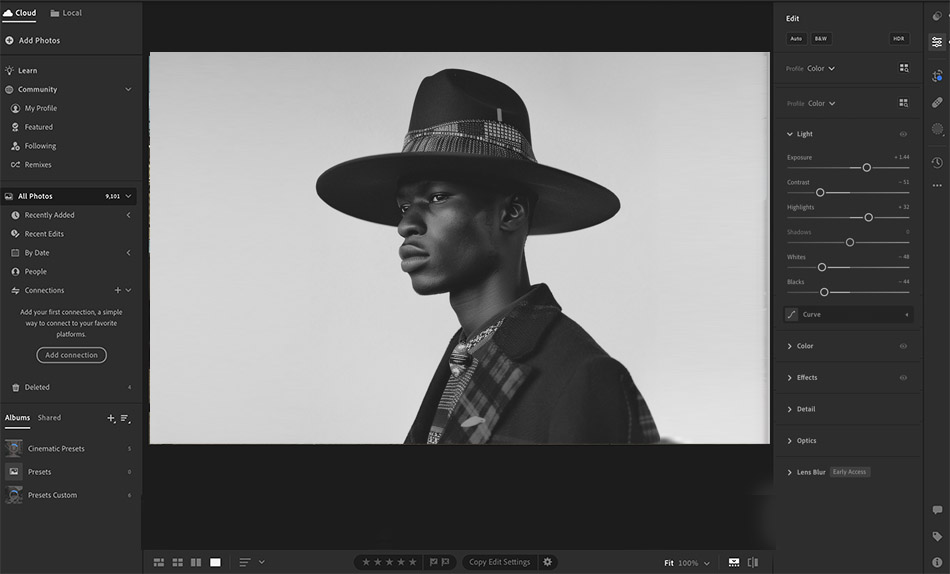 In this article, I will guide you on becoming a master of Adobe Lightroom Mobile, uncovering its hidden gems, and teaching you how to maximize its potential. Let’s dive in and unlock the secrets of this portable software so you can unleash your creativity and bring your photos to life!
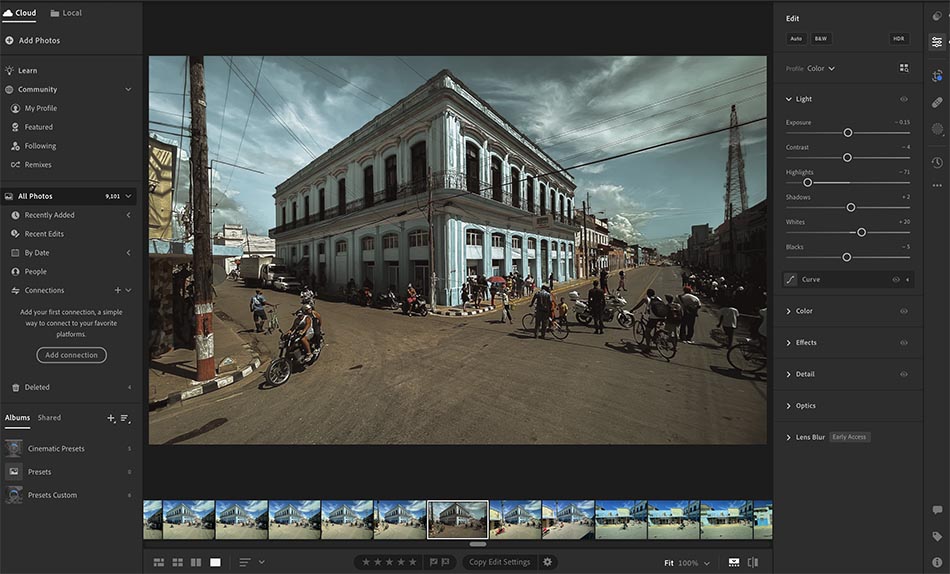 Make Adjustments That Truly Shine
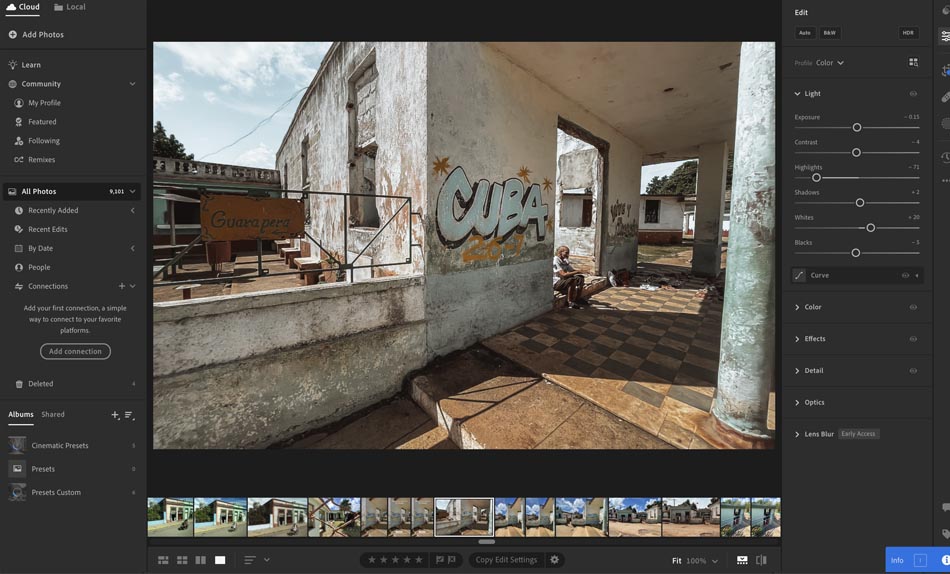 Add Filters for Instant Visual Impact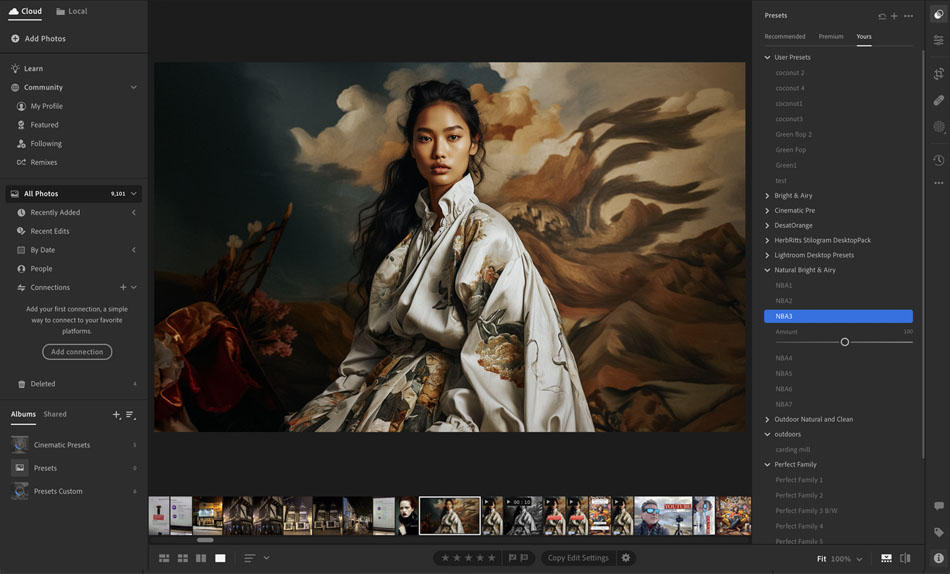
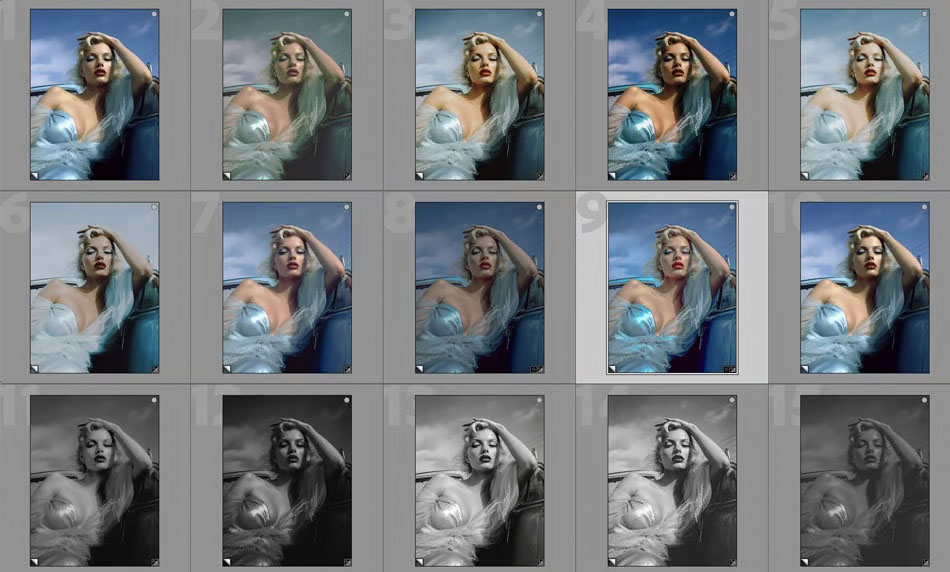

 Understanding AI in Photography
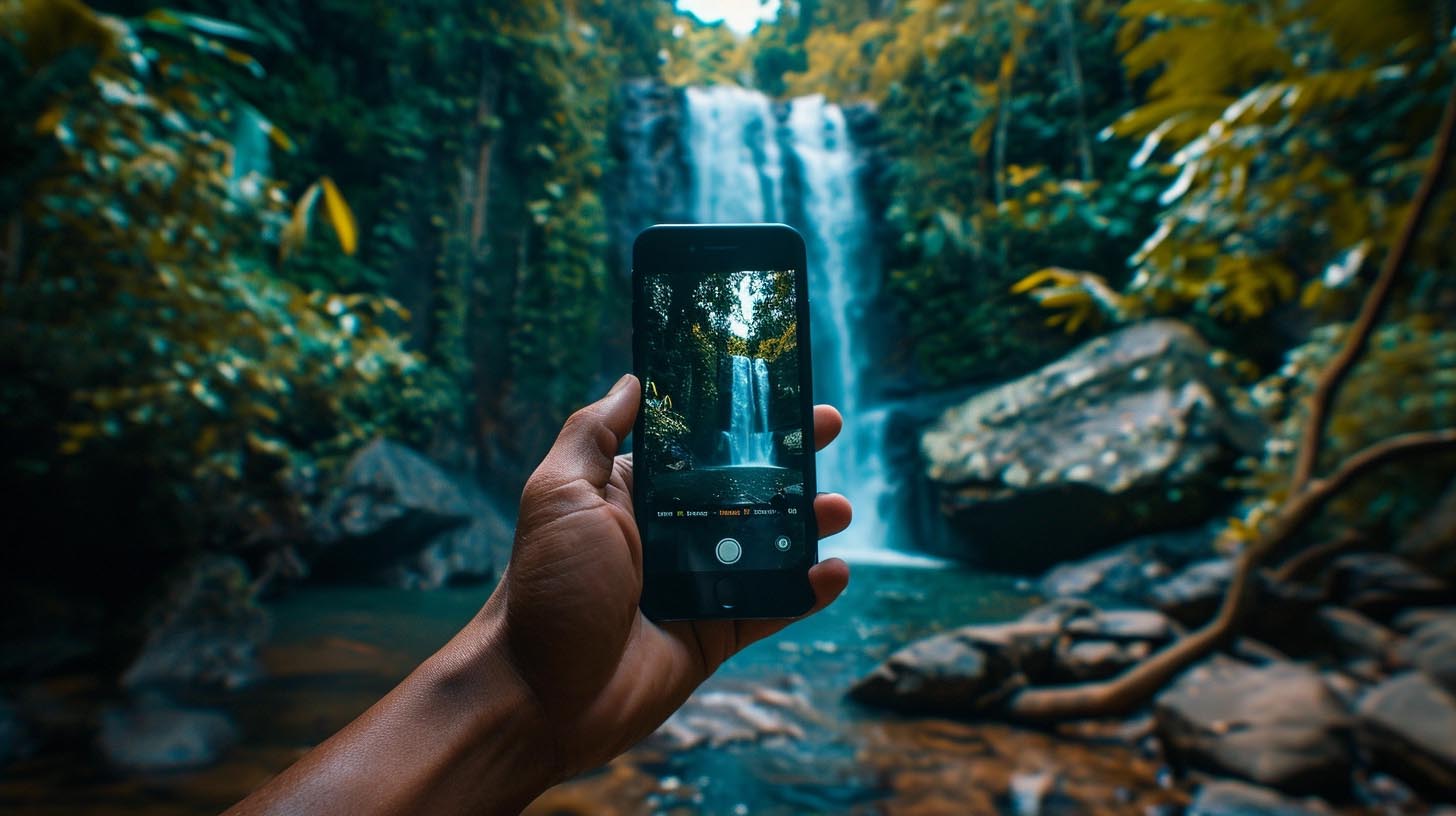 The Role of AI Algorithms in Image Processing
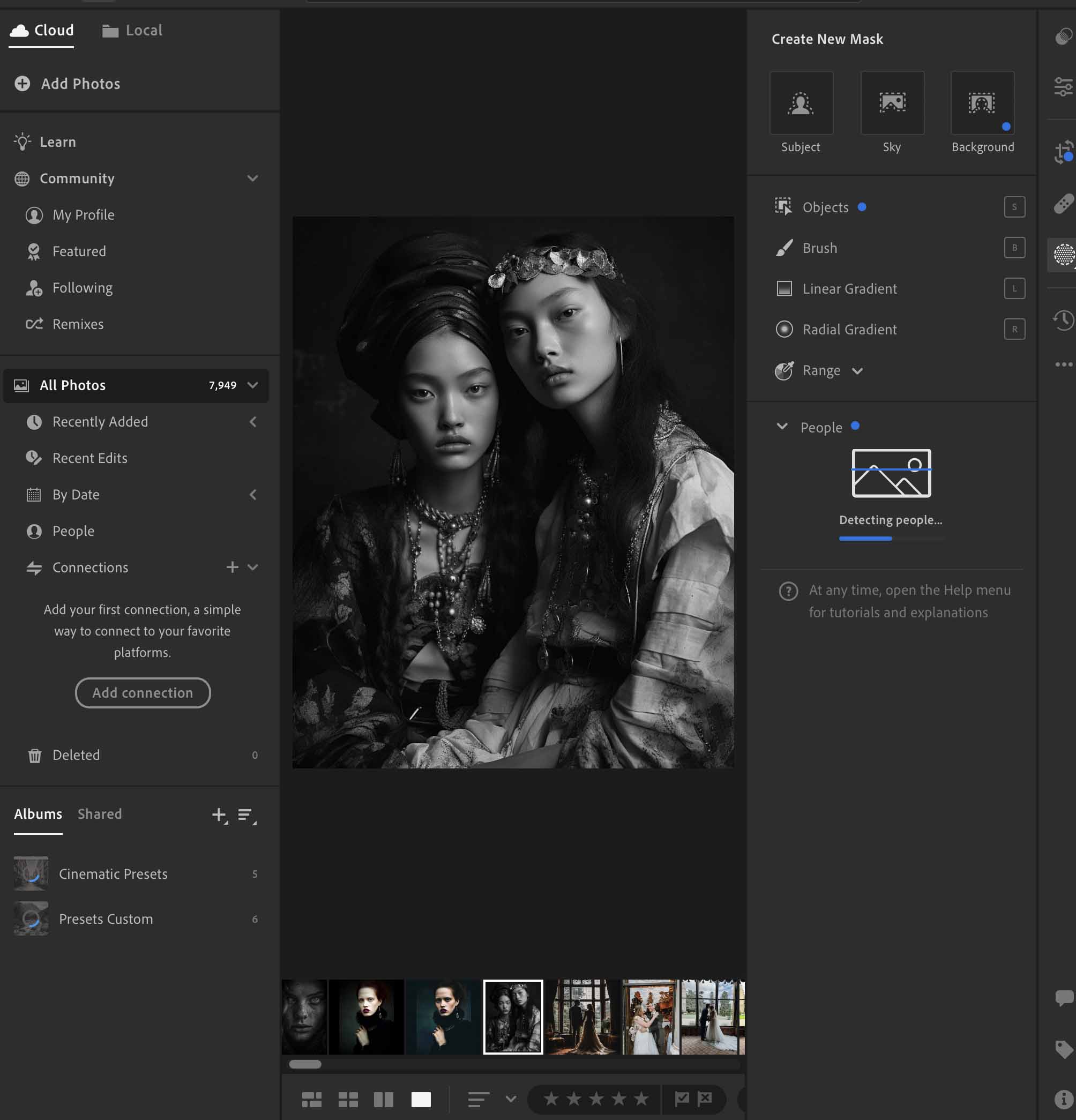 The use of AI algorithms in noise reduction has significantly improved the visual appeal of photographs. By analyzing the image data, AI algorithms can identify and effectively reduce unwanted noise, resulting in cleaner and more professional-looking shots. This is particularly beneficial in low-light conditions or situations where high ISO settings may introduce noise.
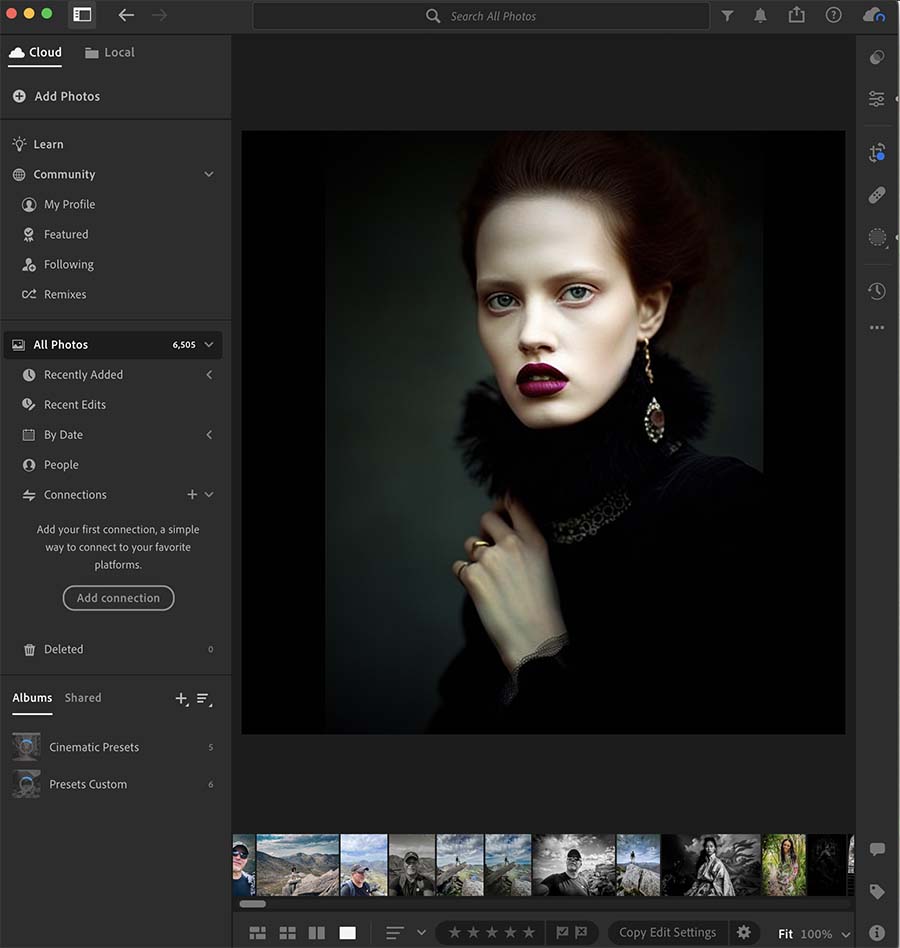 Using AI in photo manipulation is another exciting avenue for photographers to explore. AI algorithms can seamlessly blend and combine images, allowing photographers to create composite shots that were previously only possible through manual editing. Photographers can bring their imaginative visions to life with AI-powered photo manipulation, telling captivating stories through images.
 AI algorithms can analyze images and make intelligent decisions based on patterns and algorithms, resulting in accurate and efficient editing. Not only does this save time, but it also ensures consistent results across multiple images, maintaining a cohesive style and enhancing overall productivity.
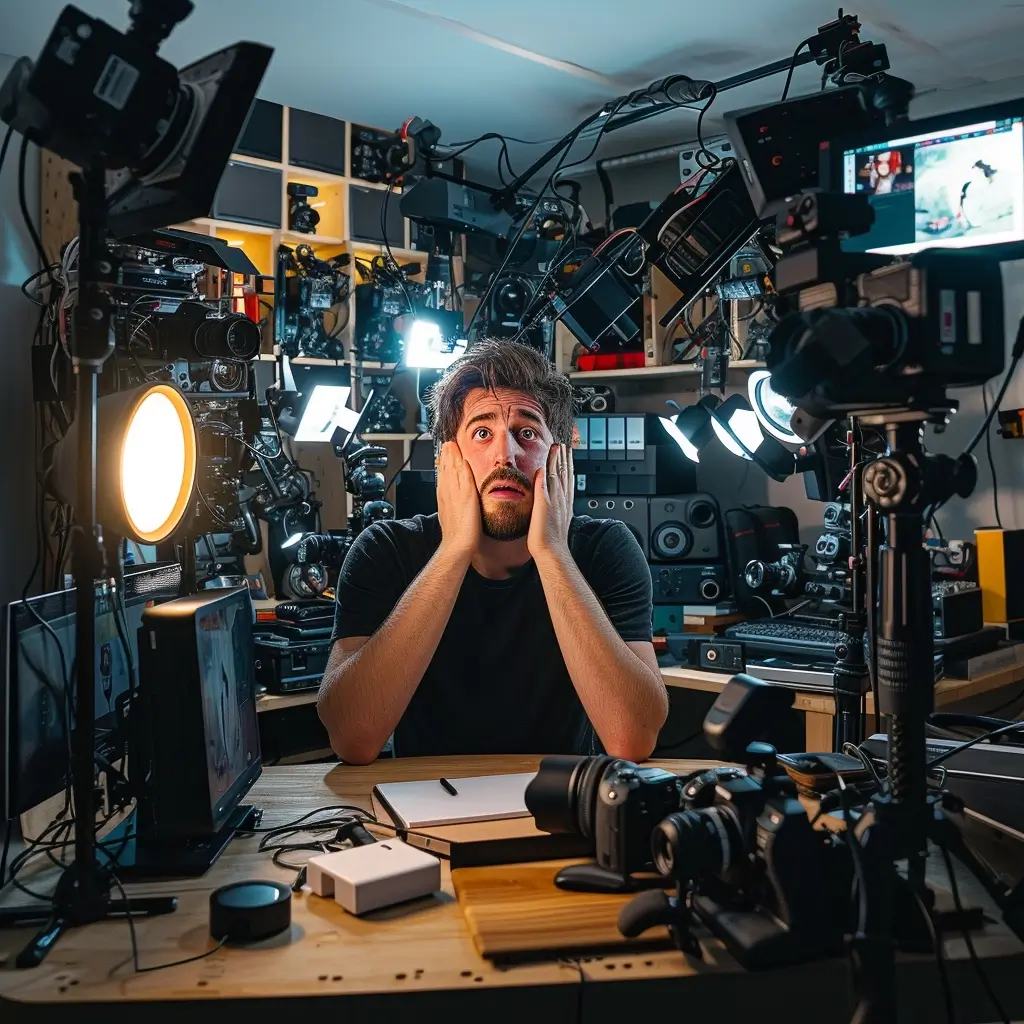 Another significant application of real-time AI analysis is subject detection. By leveraging AI algorithms, photographers can detect and track subjects in real-time, ensuring that critical moments are never missed. Whether it’s capturing a fast-moving sports event or photographing a fleeting wildlife encounter, AI-powered subject detection provides photographers with the confidence to capture those decisive moments.


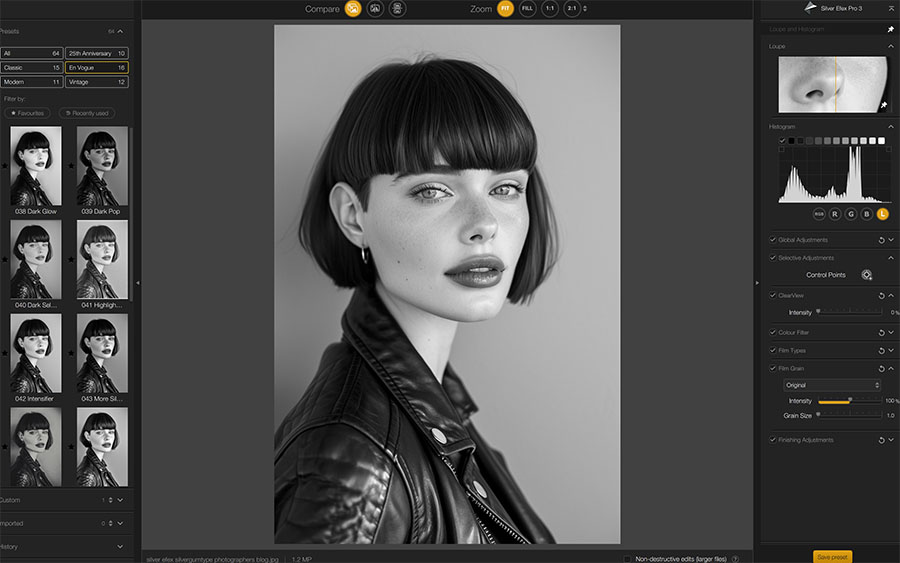 Improvements and New Features
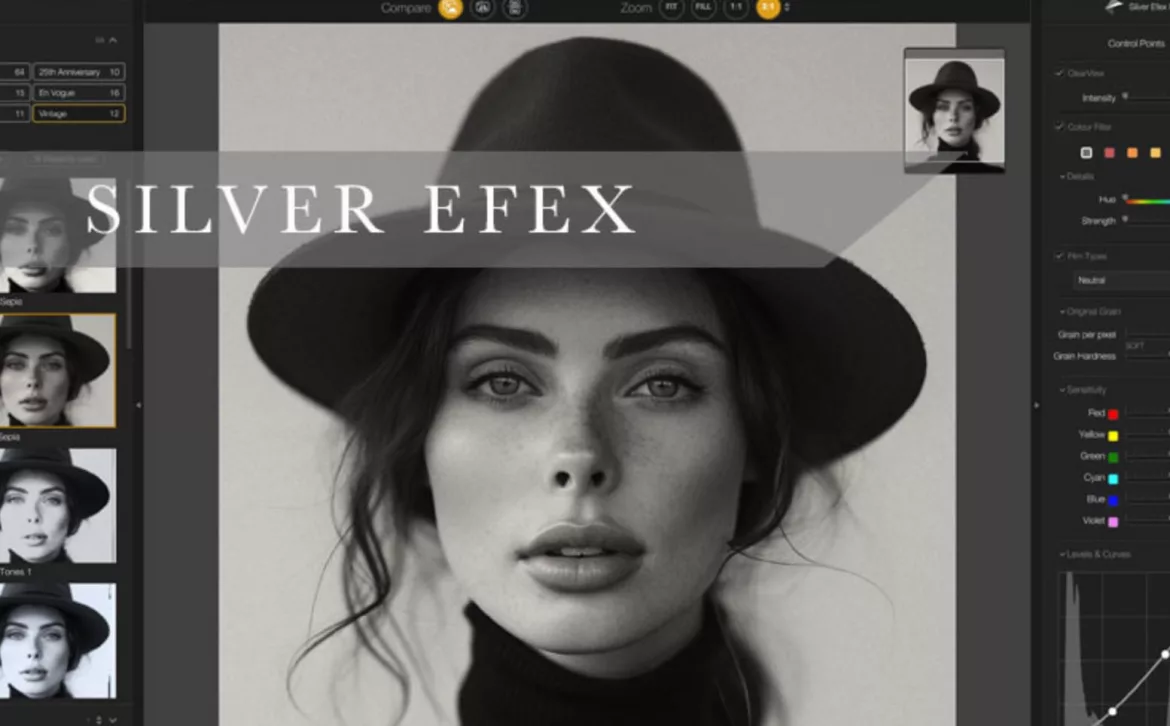
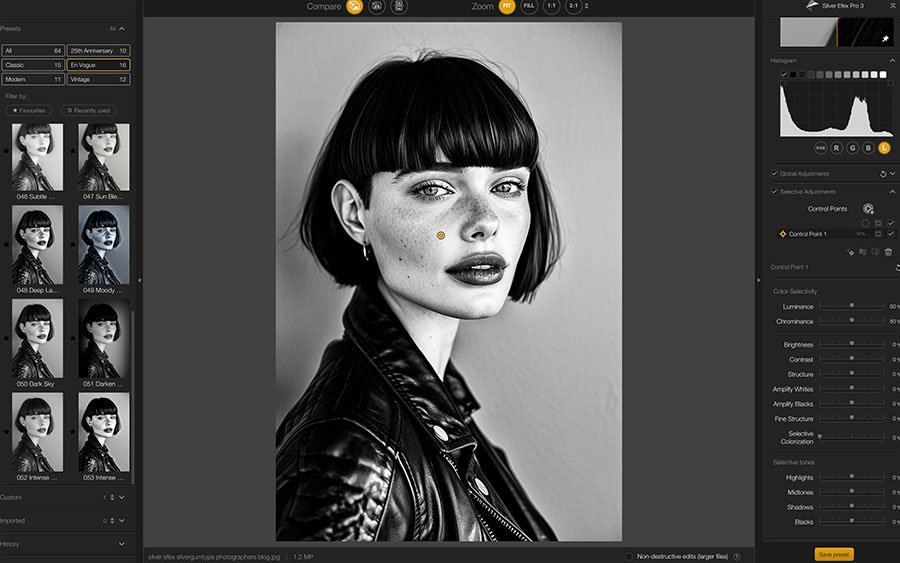 The ClearView Slider and Film Effects
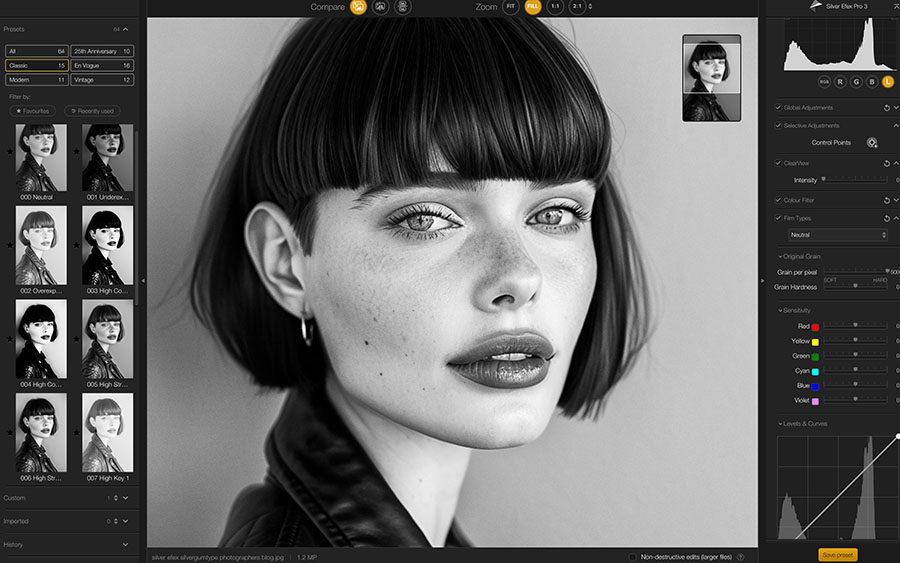 Edits that do not destroy
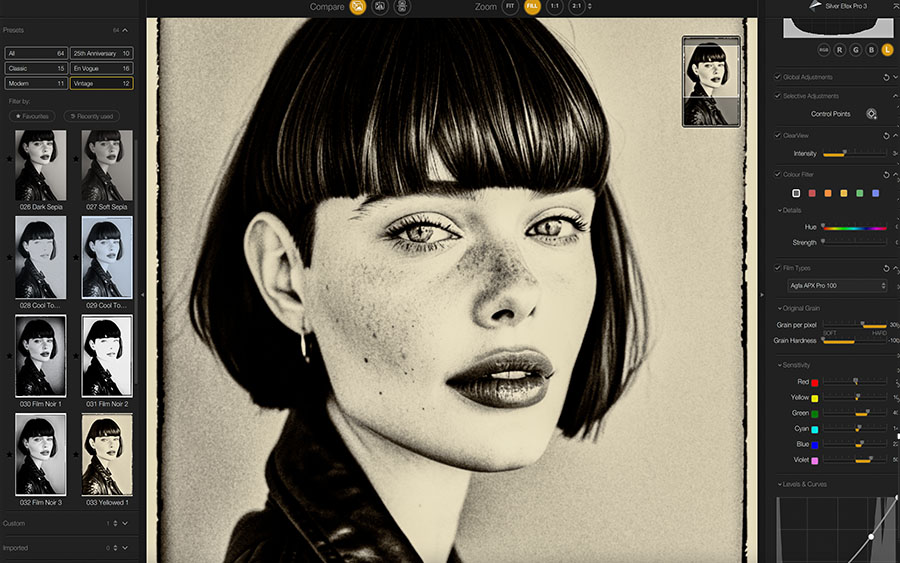 Suggestions for DxO