Why Photographers Who Work Faster, Think Clearer, and Rely Less on Gear Get Further Than Everyone Else
Testing for pictures. Breaking creative poverty. Building stock and commercial work that lasts.
Before the First Frame
Why the technical choices mattered before the shoot began
Before anyone stepped into the studio, the direction of the shoot was already set.
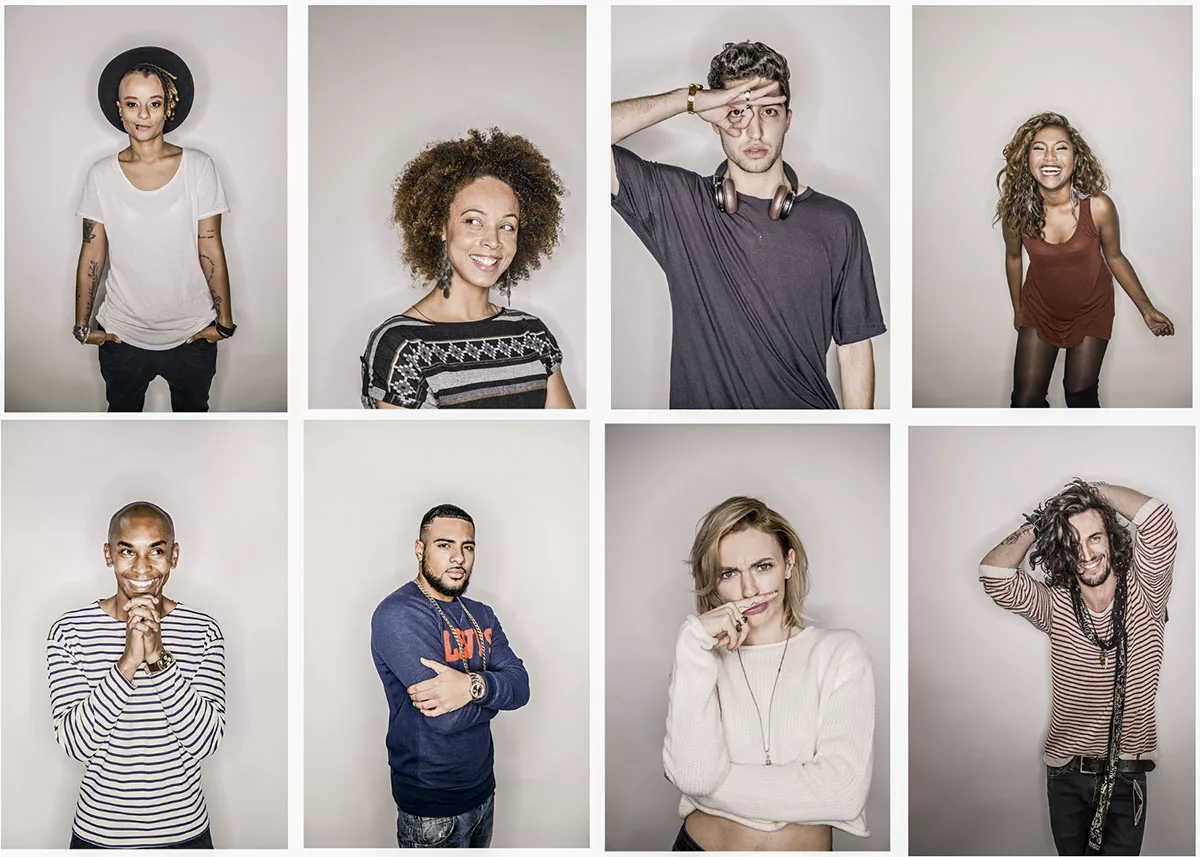
I chose to work with a Nikon D850. Not because it is the newest camera in my kit. It is not. I also shoot with a Nikon Z9, alongside Fuji and Sony systems when required. But for this work, I wanted an optical viewfinder.
When you are shooting fast-paced headshots, lifestyle portraits, or editorial-style stock imagery, seeing the scene directly matters. No electronic lag. No processed preview. Just light, expression, posture, and movement as they exist in front of you.
That keeps decision-making instinctive.
The camera remained handheld throughout. No tripod. No fixed position. I wanted to stay physically engaged with the subject, able to move, reframe, and respond quickly.
I shot wide open at f/2.8, deliberately raising the ISO to maintain speed. This allowed freedom of movement while keeping enough depth of field for natural gesture and expression. Shallow enough to simplify the frame. Deep enough to remain honest and usable for stock photography.
Lighting was intentionally restrained. Kino Flo tubes positioned directly in front of the subject. Continuous light, no flash, no recycle delay. The rhythm of the interaction remained uninterrupted.
These decisions were not about equipment preference.
They were about maintaining flow.
Why This Shoot Existed
The problem with traditional stock agency workflows
This shoot came from long-term experience working in advertising photography and stock agency work, particularly for libraries such as Getty Images.
Once agency models enter the equation, the focus shifts. Booking fees, agency fees, usage restrictions, time-limited licences, and territory negotiations begin to influence creative decisions. For stock photography, this pressure increases further. Extended usage periods, longevity, and resale value all come into play.
Over time, this changes how photographers think.
Ideas are simplified too early.
Concepts become safer.
Risk is avoided because risk is expensive.
You can still produce work, but within a narrowing creative margin.
This shoot was designed to break that cycle.
Casting Beyond Agencies
Why I stepped away from conventional fashion and advertising models
I was not casting in the traditional sense.
I was selecting collaborators.
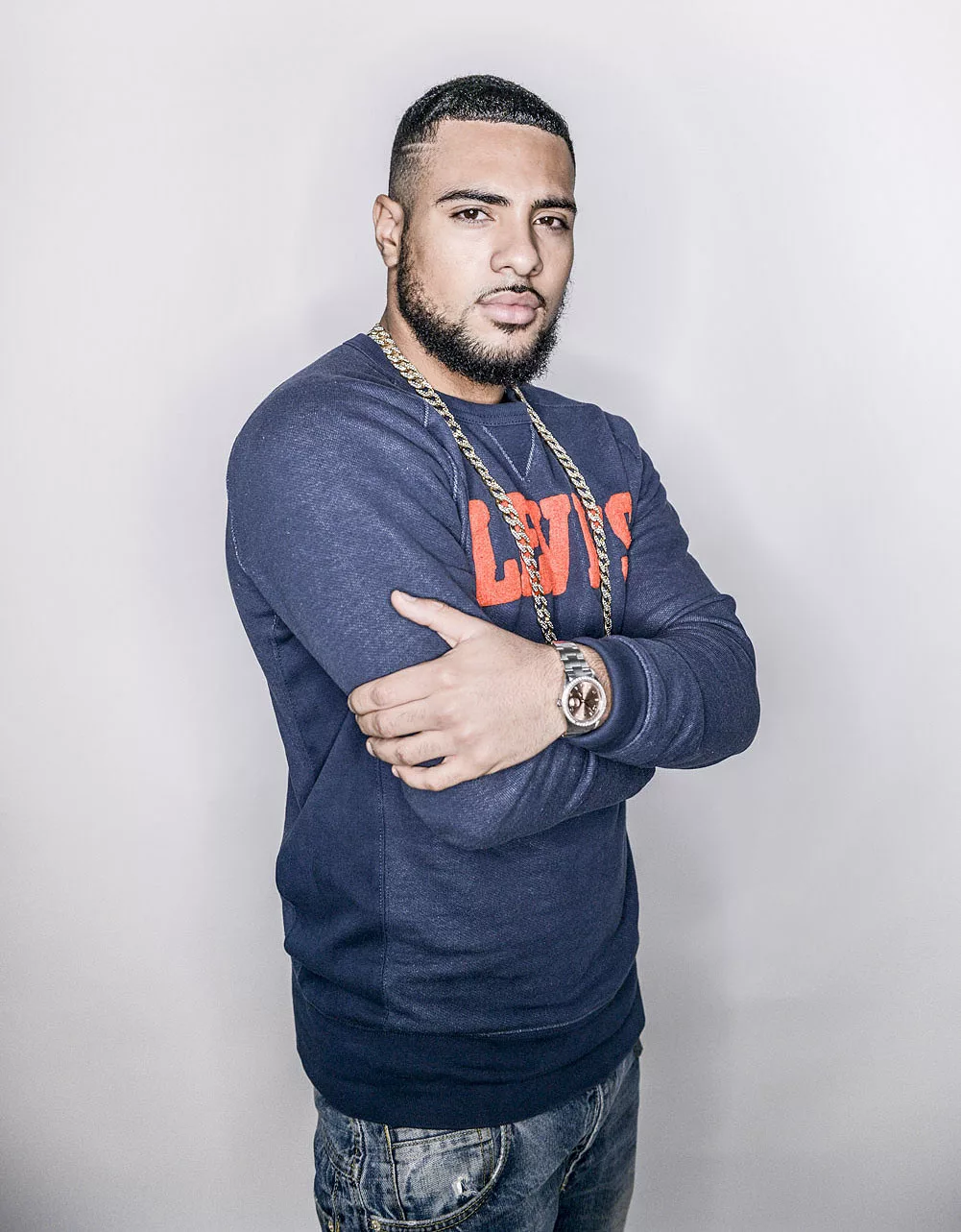
Rather than relying solely on established fashion models or agency-represented advertising models, I opened the casting process. This removed layers of cost and expectation and replaced them with flexibility and curiosity.
Throughout the day, a range of talent passed through the studio. Some experienced. Some newer. Some already operating at a high level. Others quietly emerging.
Everyone understood the premise.
This was testing for pictures. A collaborative agreement. A studio photography session designed to benefit all involved. Fair compensation for time. Clear intent. No commercial usage pressure.
For photographers building headshots, lifestyle photography, or stock portfolios, this kind of openness matters. It attracts collaborators who are willing to travel, adapt to location work, and engage with ideas rather than predefined roles.
That adaptability becomes increasingly important as expectations rise.
The Five-Minute Structure
Speed as clarity, not pressure
Each session lasted five minutes.
Not to rush. To stay honest.
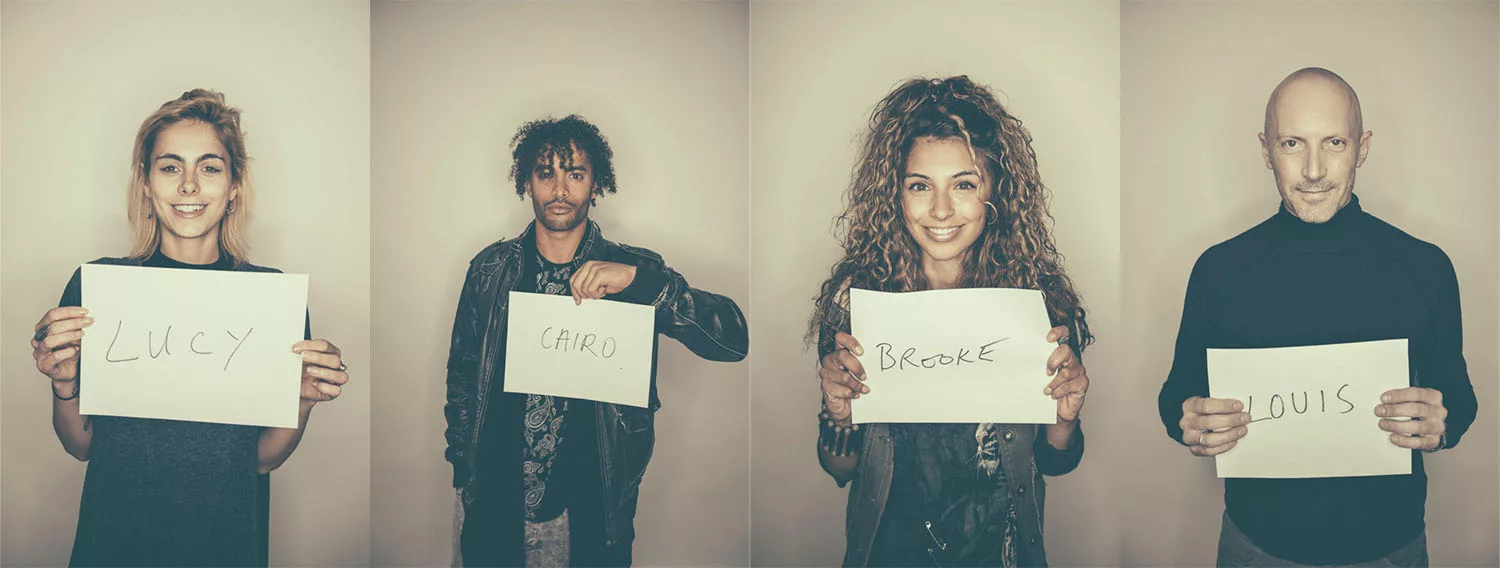
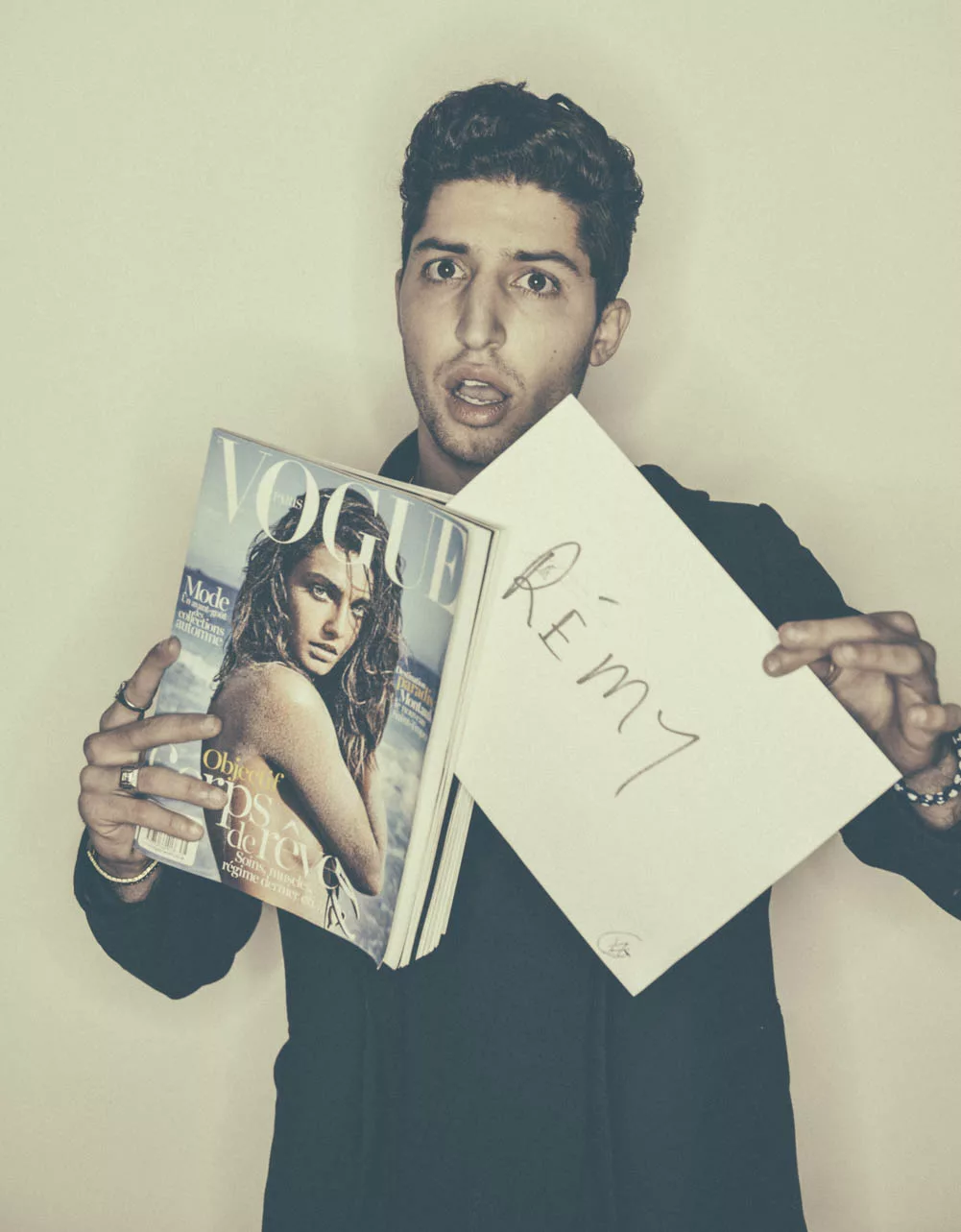
At the start of each session, the subject held a sheet with their name clearly written. They introduced themselves, and I took a simple reference frame. Name. Face. Presence. A practical and respectful grounding moment, particularly useful when managing volume shoots for stock photography.
I then asked three consistent questions.
Who they were.
What they wanted to do.
Why they had come.
Those answers informed posture, movement, and responsiveness. In short sessions, there is no time for performance to settle in.
Five minutes is enough to establish connection.
It is not enough to manufacture confidence.
That balance produces authenticity, which is critical for lifestyle photography and stock imagery.
What Emerged
Why this approach works for stock and commercial photography
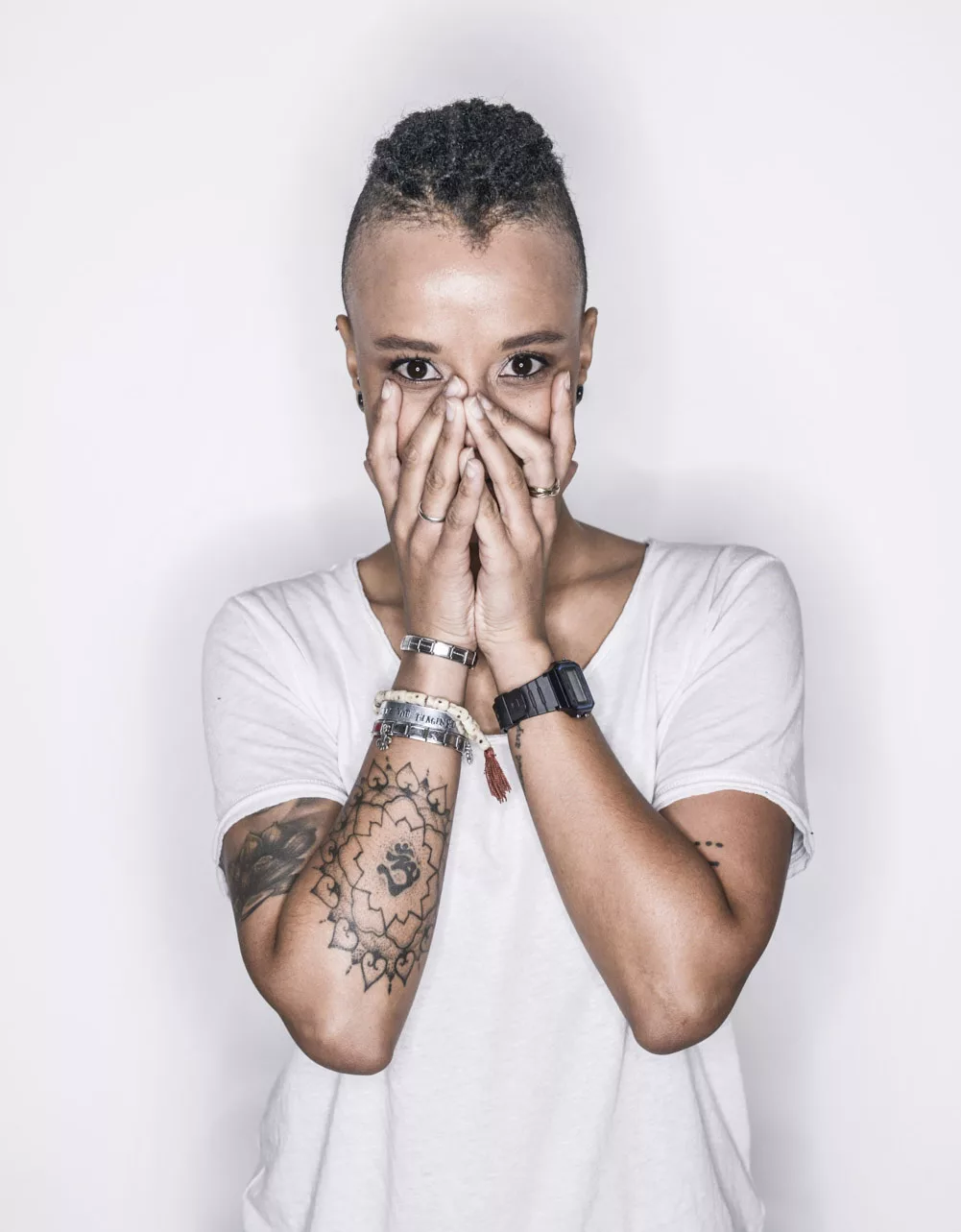
Short, focused sessions strip away over-direction.
For the photographer, this demands attention rather than control. You observe more. You intervene less. You respond to what is actually happening instead of forcing a concept.
The resulting images are open-ended. Adaptable. Useful.
This is exactly what stock agency work requires.
Overly stylised lighting, rigid posing, or narrowly defined narratives limit image lifespan. Images that feel natural and flexible travel further across briefs, campaigns, and editorial use.
This approach keeps stock photography commercially viable without sacrificing integrity.
Choosing the Right Talent
Beyond photogenic faces
Photogenic features matter. But they are only the starting point.
What matters more is mindset.
The most effective collaborators for studio photography, lifestyle shoots, and experimental stock work are those comfortable with uncertainty. Those willing to try ideas that are still forming. Those open to unfamiliar locations, travel, and concept-led work.
As photographers move up, access does not necessarily improve. Expectations rise. Attitudes can harden. Testing becomes more difficult, not less.
Casting for adaptability rather than status changes that dynamic.
What Photographers Gain From This Approach
Photographers who adopt this way of working will notice several shifts.
Ideas expand rather than contract.
Confidence increases through repetition under constraint.
Portfolios become more coherent and purposeful.
Most importantly, the work begins to align more closely with the assignments photographers want to attract, whether that is commercial lifestyle photography, advertising campaigns, or long-term stock production.
You also build a different kind of network. Not just contacts, but collaborators invested in the process.
That is where momentum returns.
What I Took Away
This shoot reinforced a simple truth.
You do not outgrow testing.
You outgrow testing that no longer serves your work.
By simplifying the technical setup, opening the casting process, and treating testing as a shared investment, I was able to produce images suitable for Getty-style stock libraries without the creative and financial friction that usually accompanies that route.
Cleaner decisions.
More adaptable imagery.
Sustainable collaboration.
Closing Thought
As photographers progress, the temptation is to play safe.
This was my way of stepping sideways instead.
Breaking creative poverty.
Protecting curiosity.
And building stock and commercial photography that can live far beyond the conditions it was made under.