Welcome to Photographer Workflow — your behind-the-scenes guide to working like a professional. From planning and shoot prep to gear choice, lighting setups, on-location habits, and file handling, this category breaks down the entire workflow of a modern photographer.
Whether you’re navigating client briefs, refining your camera settings, or building a reliable file management process, these articles reveal the systems, habits, and tools that make everything click into place.
Gain insight into how elite photographers think, plan, and execute — so your photography becomes consistent, stress-free, and commercially ready.


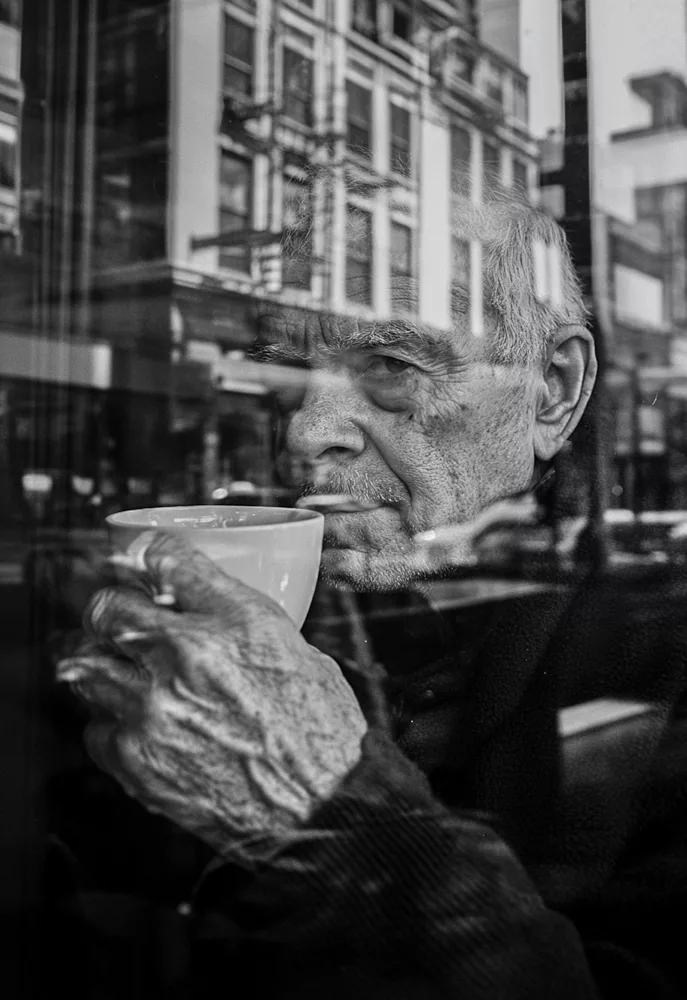



 Natural Light for Indoor Portraits – Household Portrait Lighting Setup
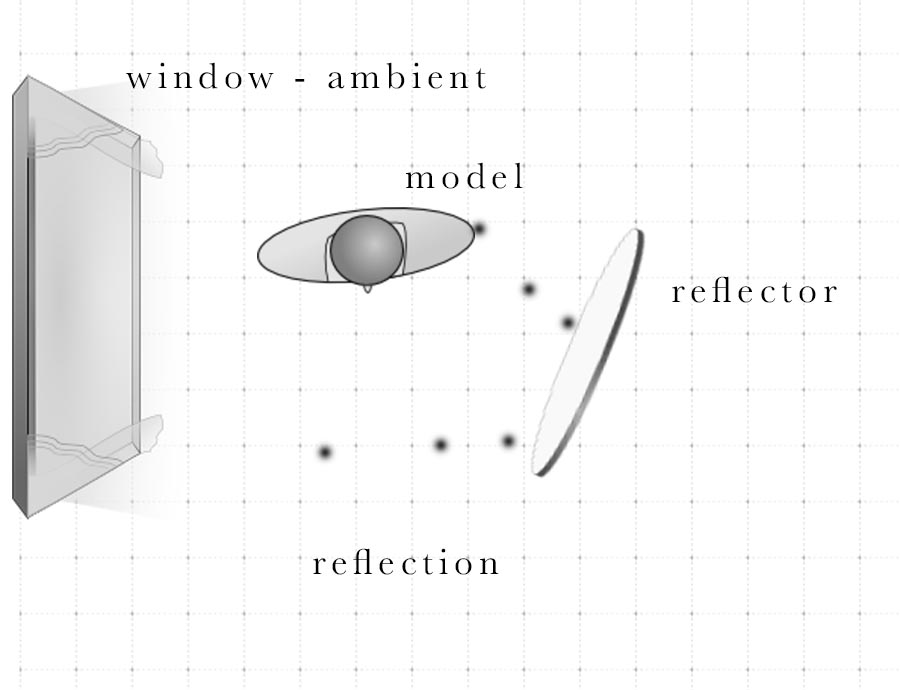 Once you’ve identified the ideal window, position your subject near it. This allows the natural light to serve as your primary light source, illuminating your subject softly and pleasingly. Avoid placing your subject too close to the window, which may result in harsh shadows or uneven lighting.
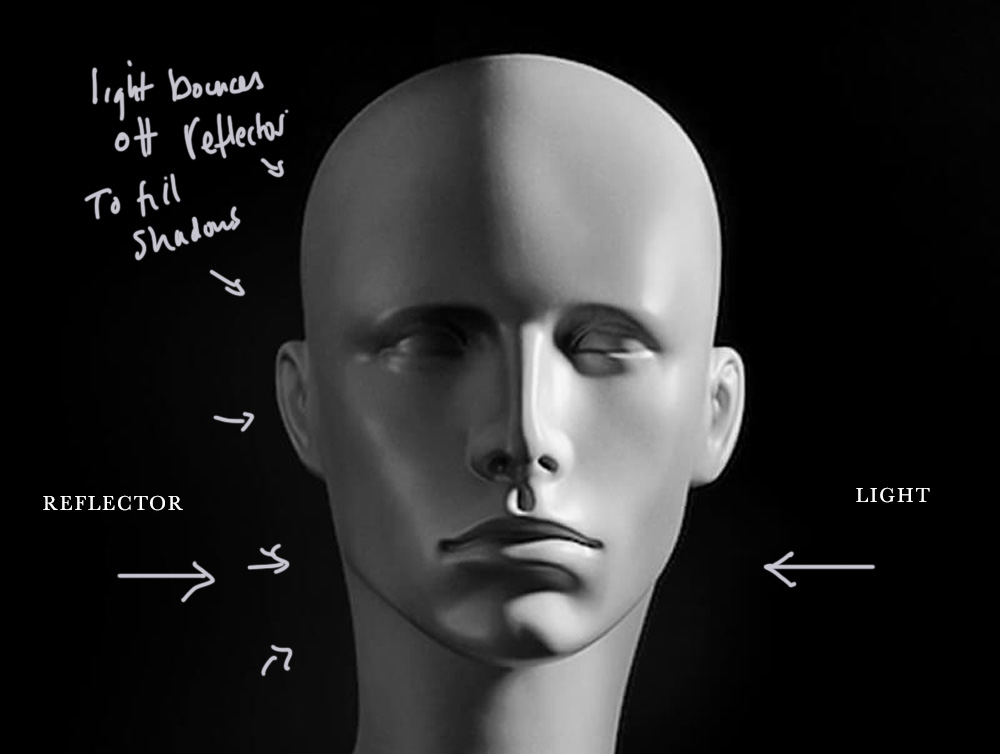
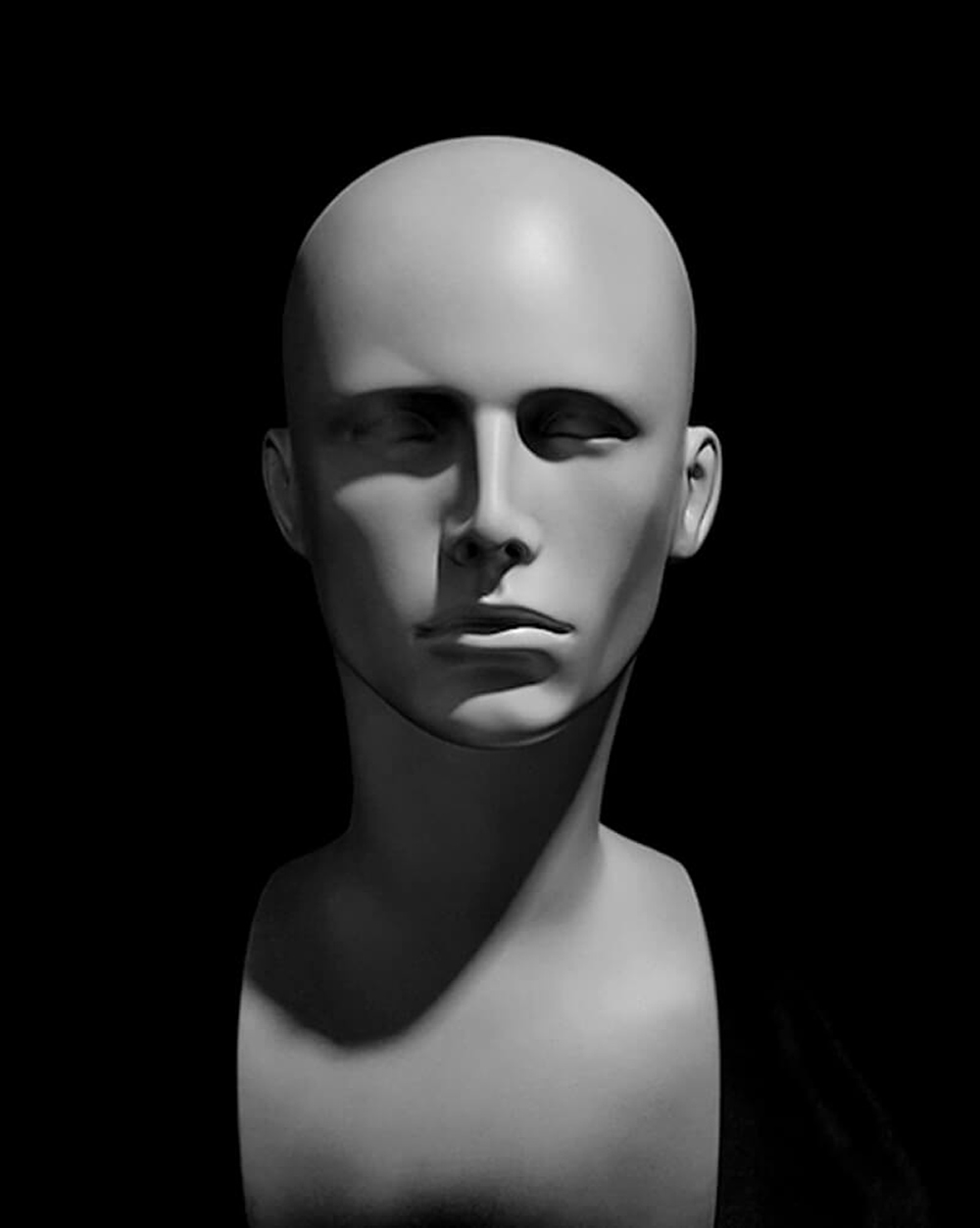
 Using Reflectors and Diffusers for Balanced Lighting for Household Portrait Lighting Setup
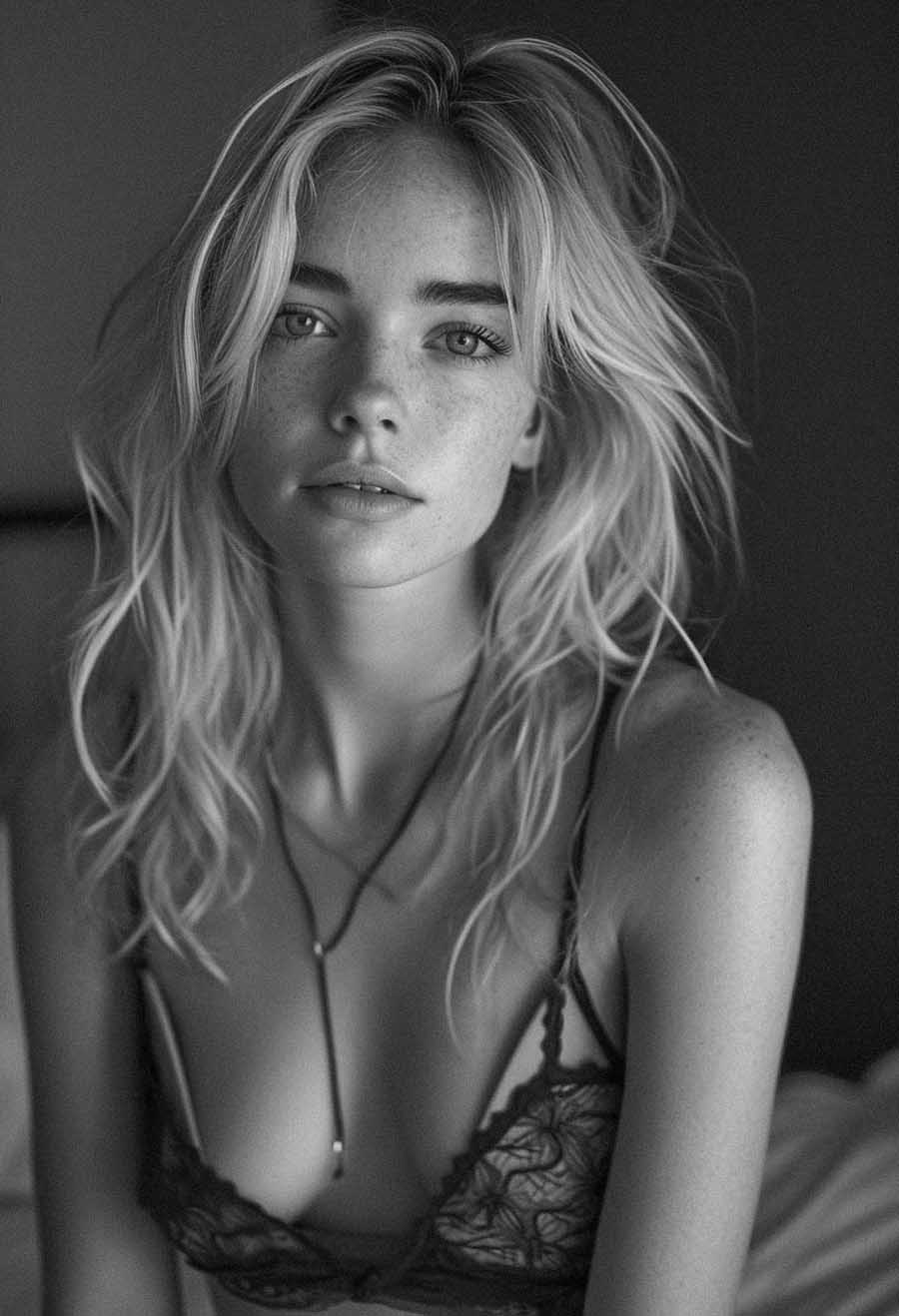 Tips for Enhancing Indoor Portraits
 Source Links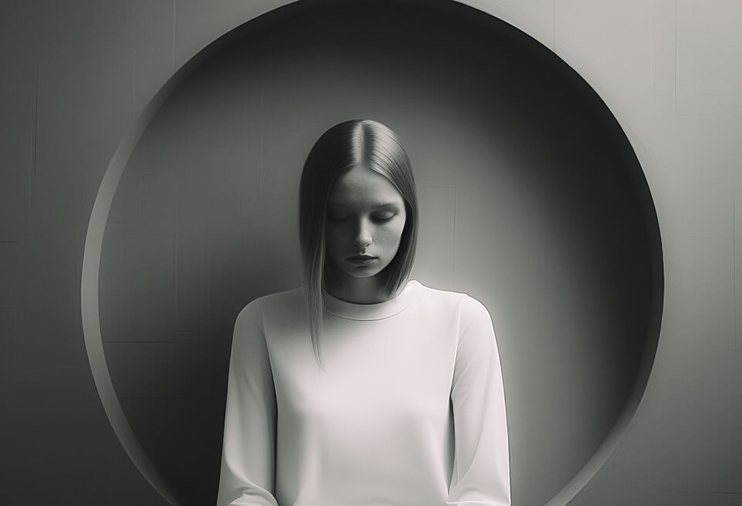

 8. Delving Into Negative Areas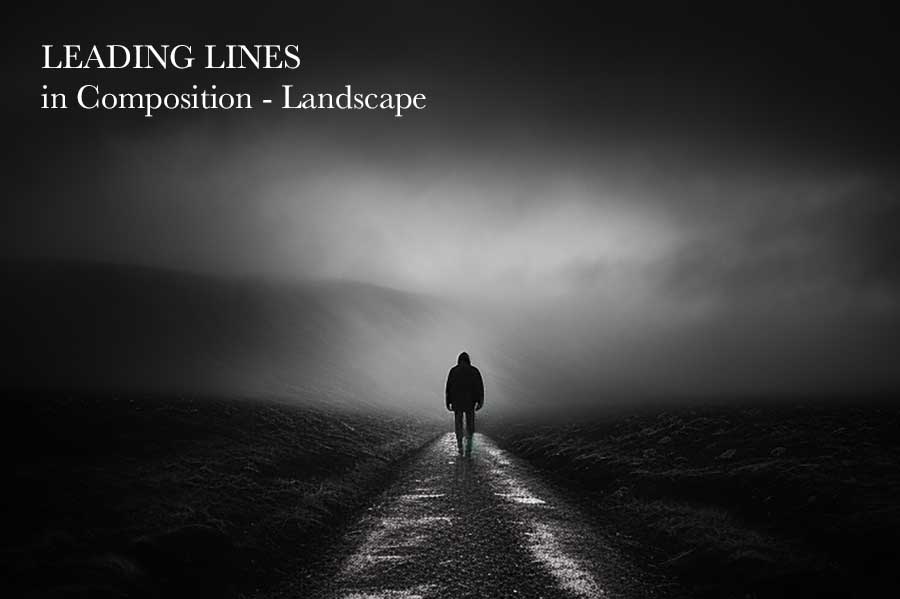
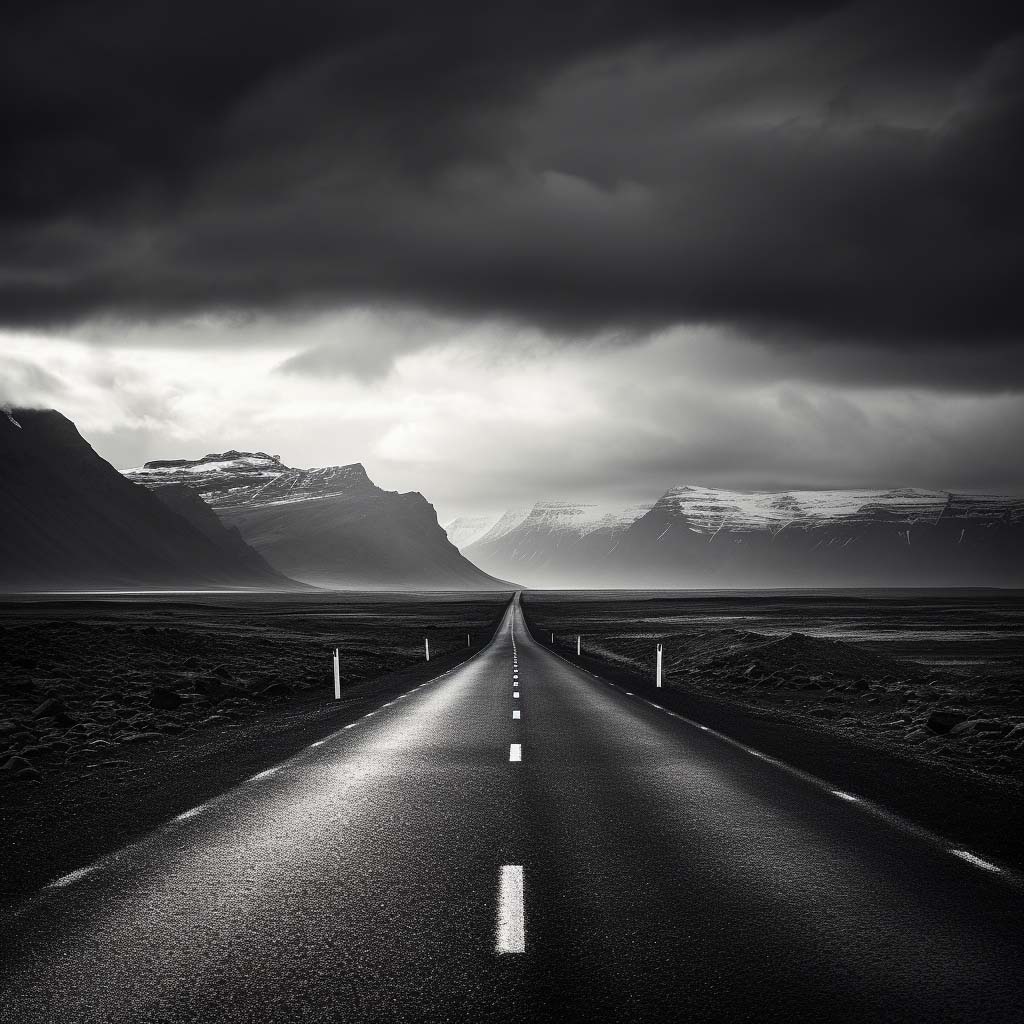 To What Extent Are Leading Lines Important?
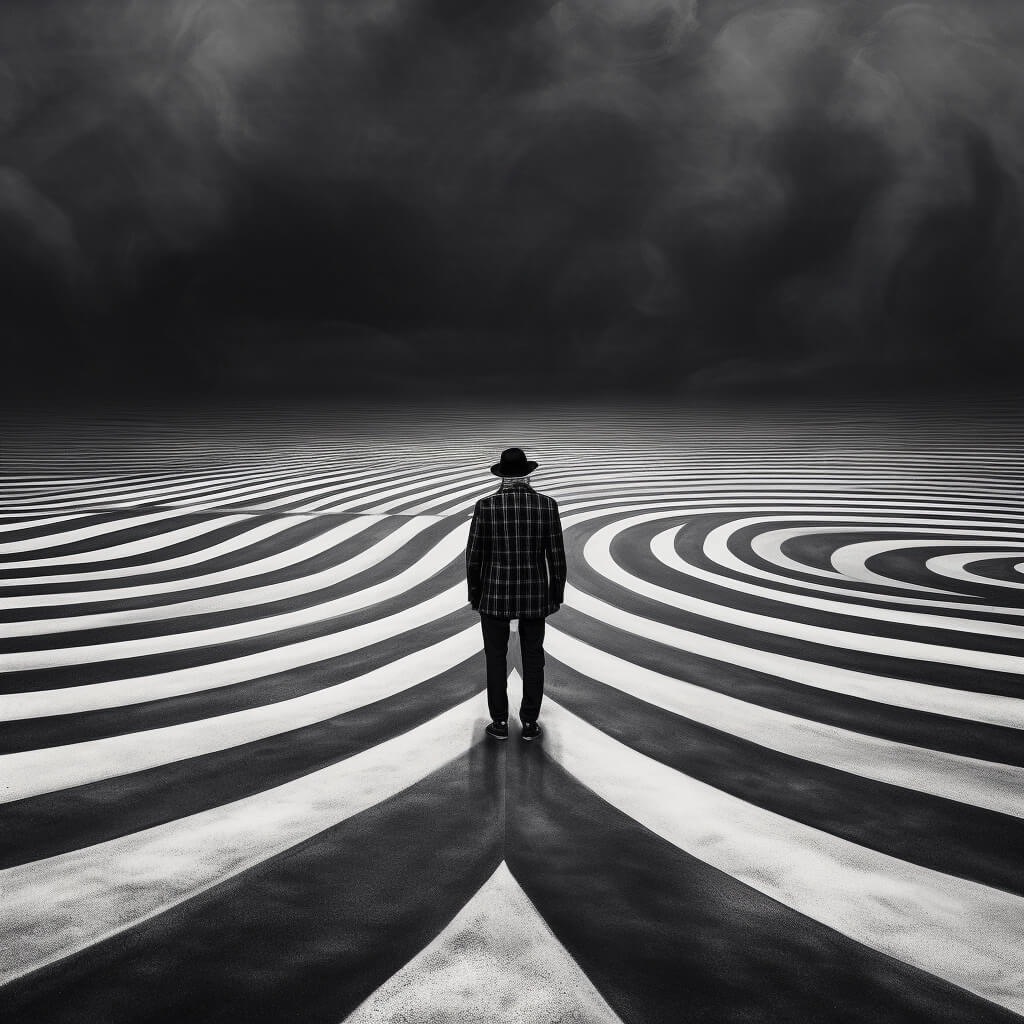
 Energy, motion, and action are all conveyed by diagonal lines. Because they aren’t aligned with either the vertical or horizontal lines, they create a sense of unease or tension in a composition. In the visual narrative, diagonals are frequently utilised to suggest motion, direction, conflict, or urgency because of the speed and direction they may convey.
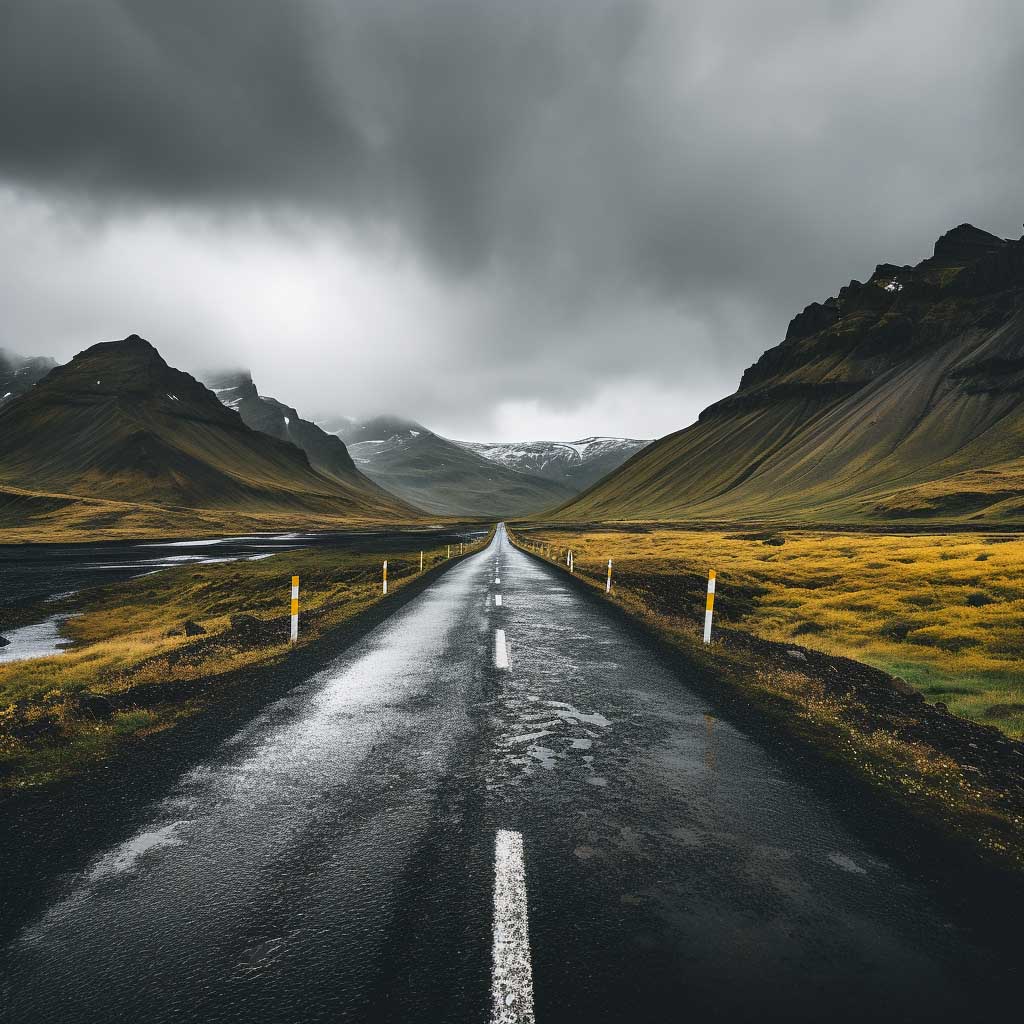 There is a distinct emotional weight connected to each line.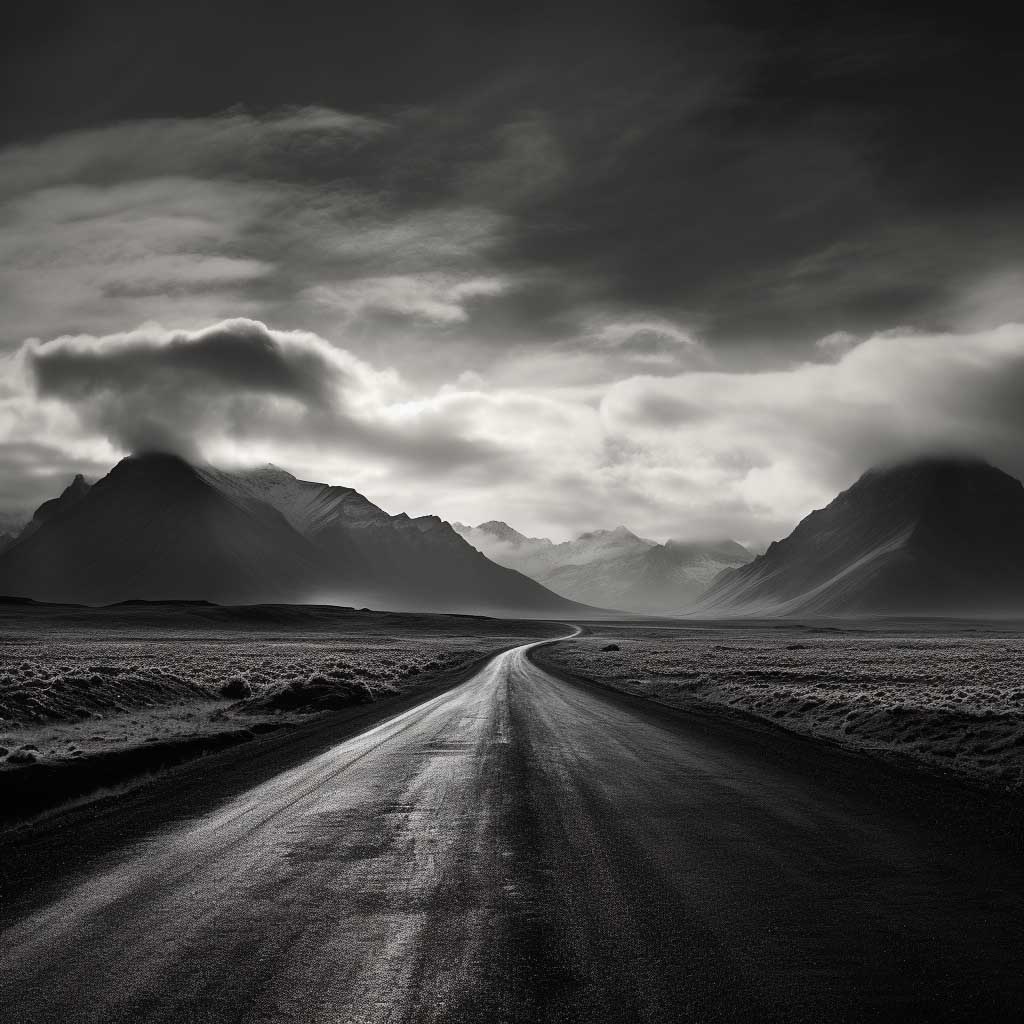
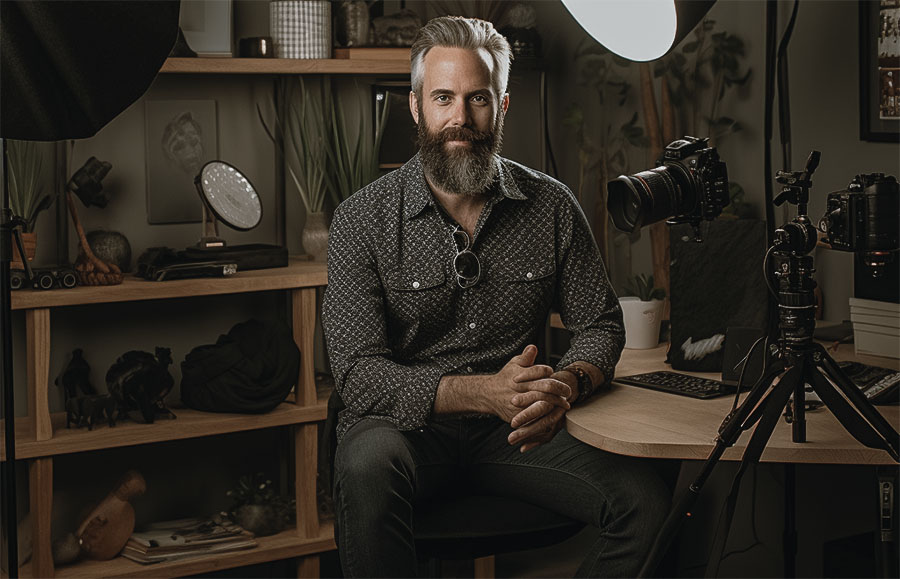
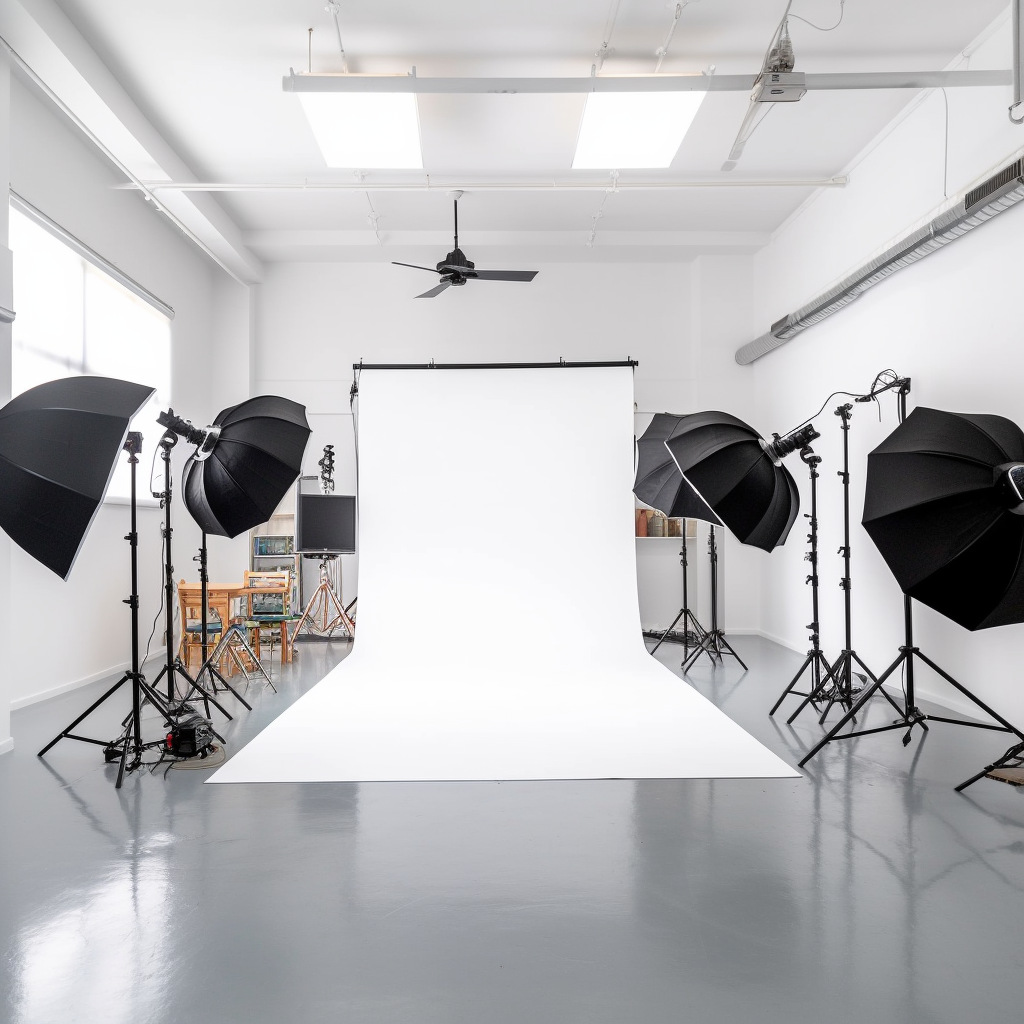
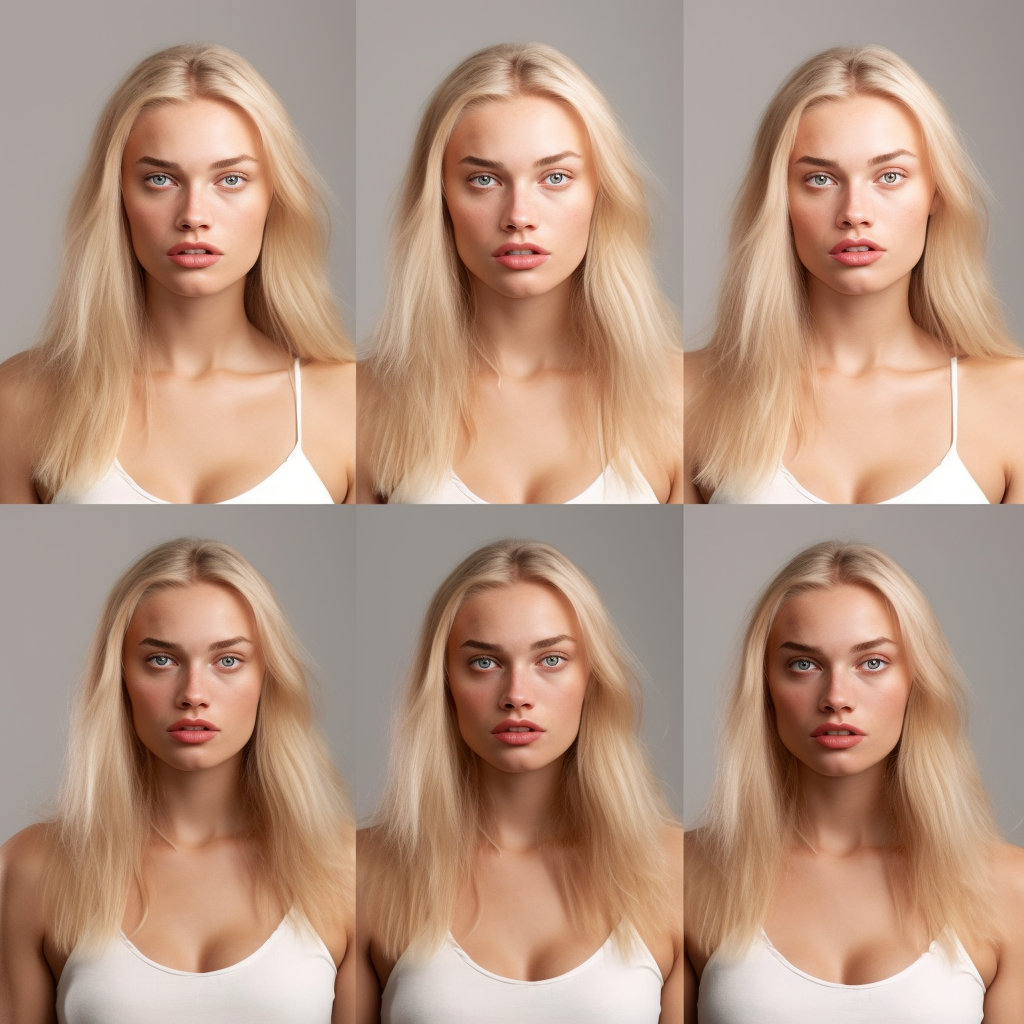 Poses and Compositions for Studio Photography
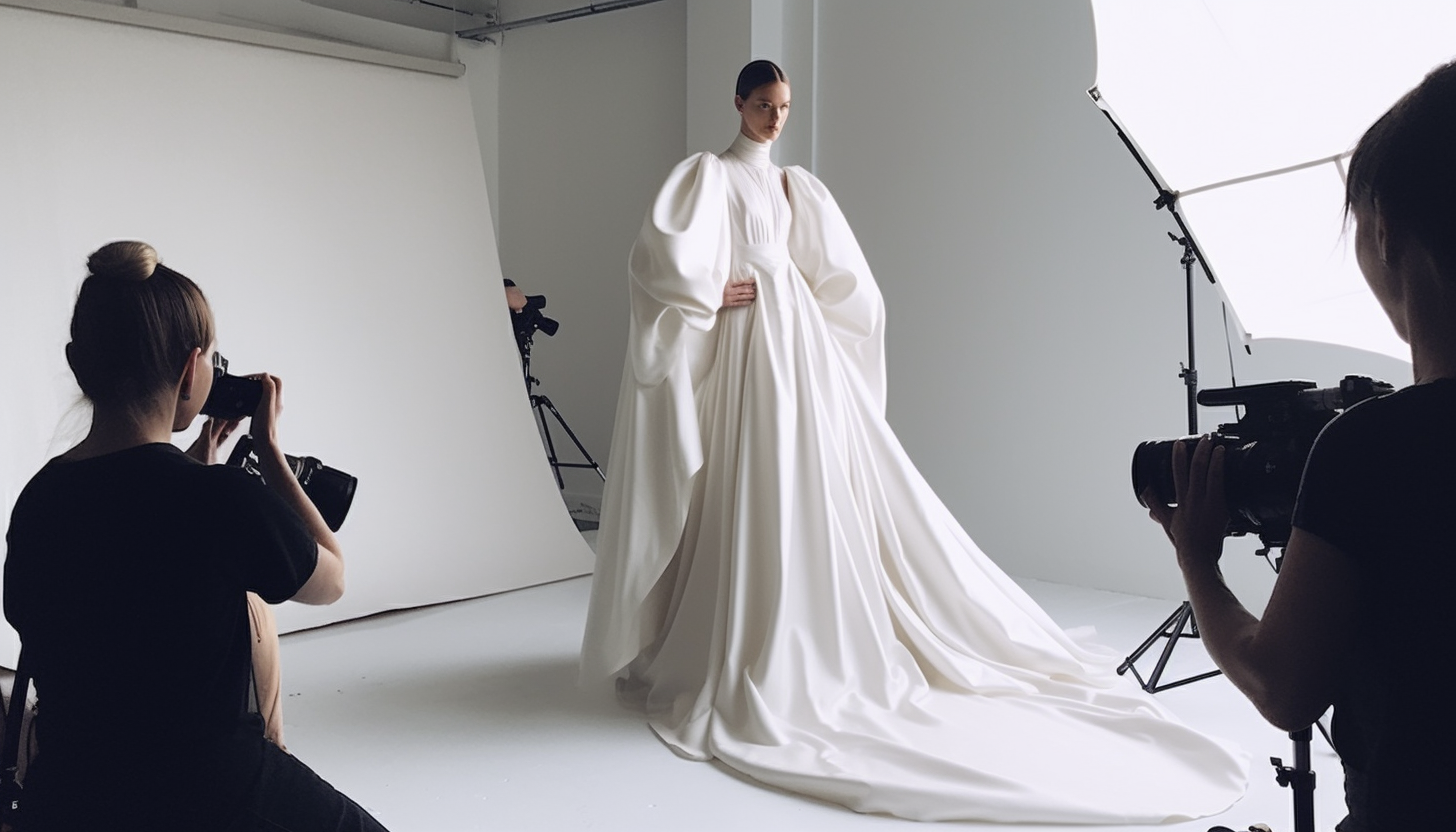

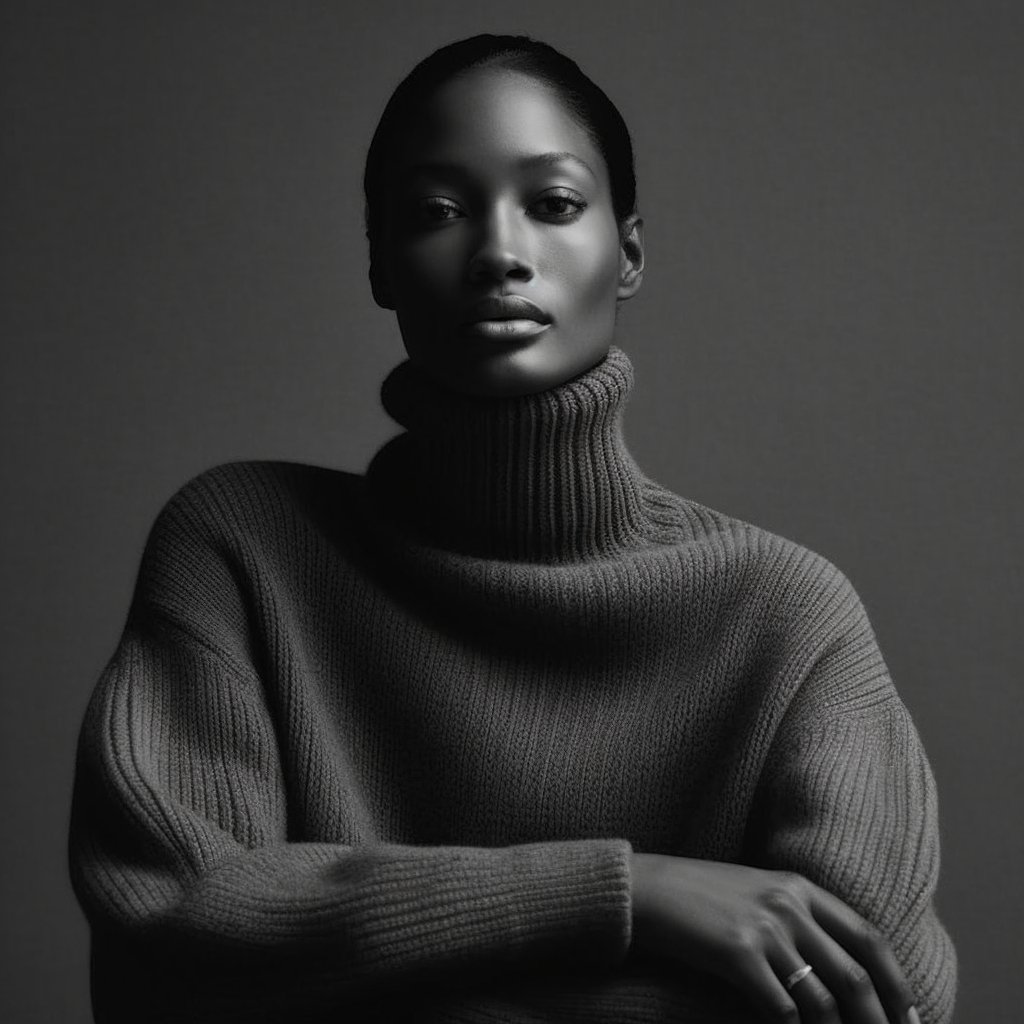 Remember, the goal is to capture the essence of your subject and tell their story through your images. Be observant, patient, and ready to capture those fleeting moments.